





Freediving — exploring the ocean on a single breath — looks effortless, and that is exactly why beginners ask the same question before they try it: is it safe? The honest answer is that freediving safety comes down to a few non-negotiable habits, and when you learn them properly, freediving is a calm, controlled activity rather than a risky one. The danger is almost never the depth; it is doing it wrong, alone, or without training. This beginner's guide explains the real risks, the rules that keep you safe, and how a proper course in Boracay teaches every one of them from your very first breath-hold.
Is freediving dangerous? The honest answer
Freediving carries real risks, but nearly all of them are preventable. The two that matter are blacking out from low oxygen and pushing past your limits without a trained buddy watching. Freedivers who get hurt are almost always untrained, pushing for a personal best, or — the big one — in the water on their own. A relaxed beginner, supervised by an instructor, descending to a gentle depth and surfacing well within their comfort zone, is in one of the safest situations in the sport. Freediving is not about holding your breath until it hurts; done right, it is the opposite — slow, lazy and well short of your edge.
The golden rule: never freedive alone
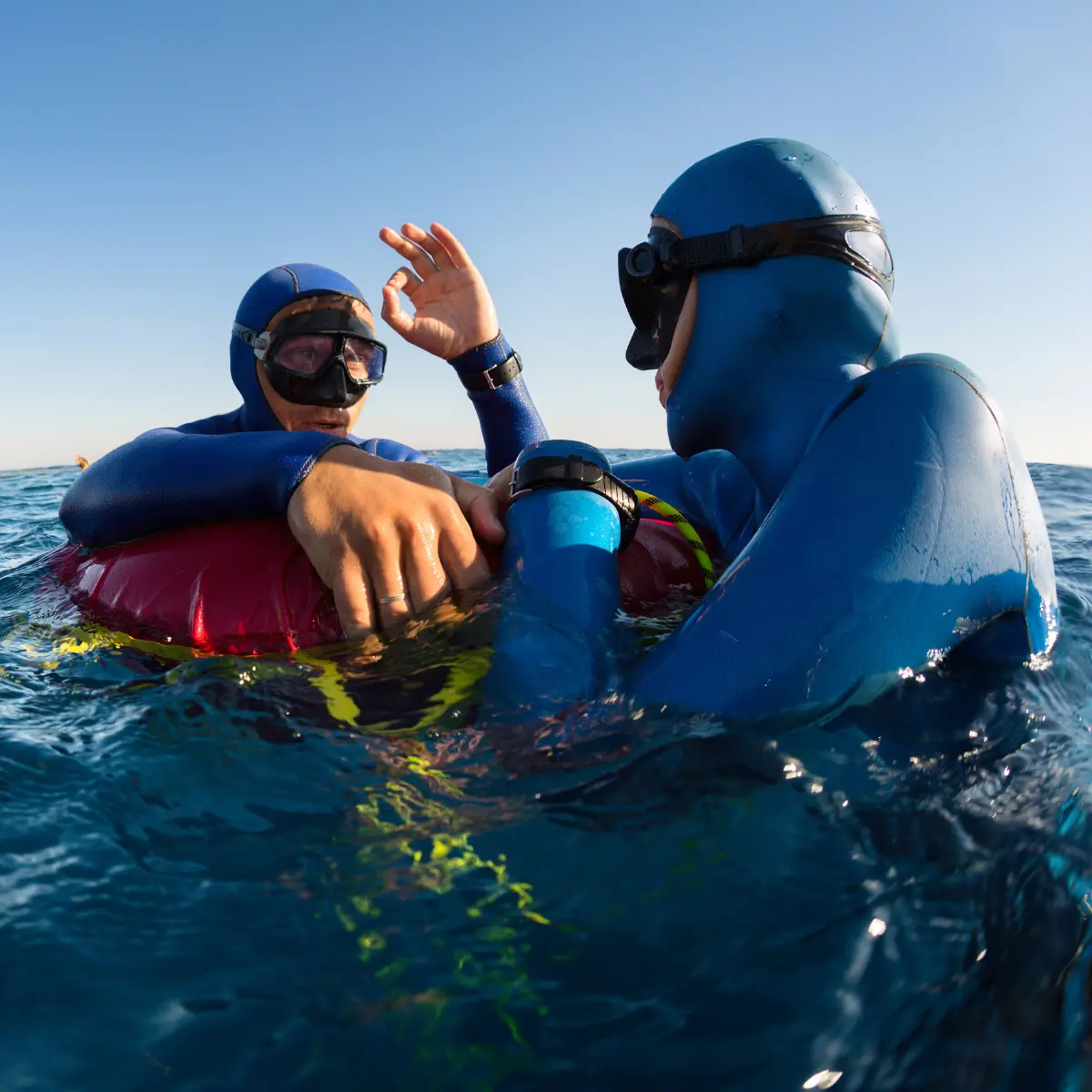
If you remember one thing from this page, remember this: never freedive alone. Every trained freediver dives with a buddy who stays at the surface, watches them come up, and is ready to help in the first critical seconds after surfacing. A blackout is quiet and gives no warning, and a diver on their own has no one to lift their airway clear of the water. "One up, one down" — one person dives while the other watches, every single time — is the rule that prevents the overwhelming majority of serious freediving accidents. Breath-holding alone in a pool or off a beach, with no trained supervision, is the single most dangerous thing a beginner can do, and it is exactly what a course trains you never to do.
Shallow water blackout and LMC: what beginners should understand
You do not need to be an expert to understand the two things a trained buddy is watching for. A blackout is a brief loss of consciousness caused by low oxygen, usually near the surface at the end of a dive, when pressure drops and oxygen levels fall fastest. An LMC (loss of motor control, or "samba") is a milder version — a shaky, uncoordinated moment at the surface. Both are managed in seconds by a buddy who keeps your airway above water and talks you back — which is the whole reason you never dive alone. Crucially, you avoid them in the first place by never hyperventilating before a dive, never pushing your breath-hold to the limit, and always breathing up calmly and surfacing with plenty in reserve. These are not advanced techniques; they are the first things a course teaches.
How a freediving course teaches you to be safe
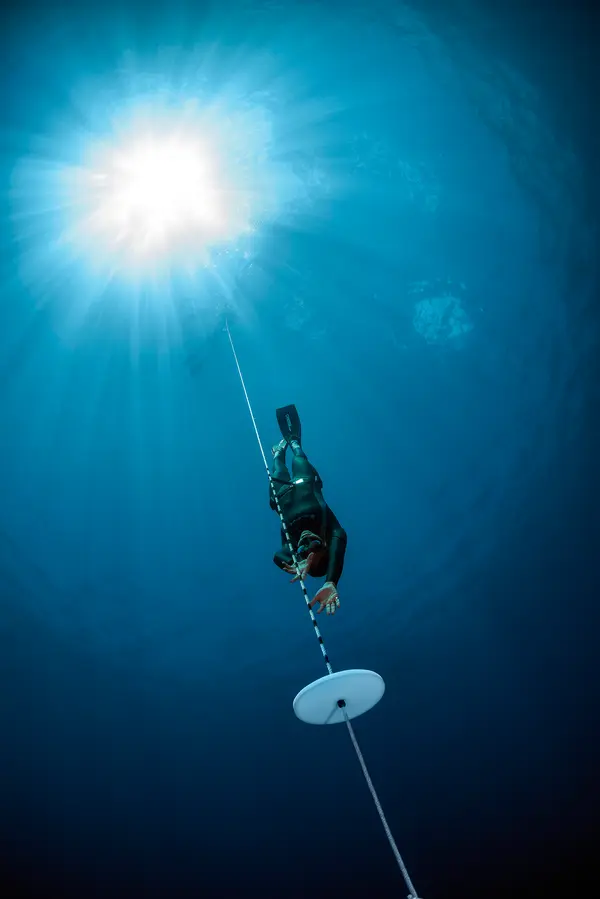
The best way to freedive safely is to learn it properly rather than copy a video. A guided Discover Freediving session is the easiest first step — a focused classroom, dry-land breathing and relaxation practice, then a guided descent on a rope to a gentle 10 metres with an instructor beside you every metre, no experience needed. A full PADI Freediver course goes further, certifying you to freedive to 16 metres with a buddy and teaching the safety skills formally: proper breathe-up, relaxation, equalisation, recovery breaths at the surface, and — most importantly — how to rescue and support your buddy. That buddy-rescue training is the part you cannot safely teach yourself, and it is why a certification matters.
Safety rules every beginner freediver follows
- Never freedive alone — always with a trained buddy using "one up, one down".
- Never hyperventilate before a dive — fast, forced breathing tricks your body and makes blackout more likely, not less.
- Breathe up calmly and surface with oxygen to spare — a freedive should feel relaxed, not like a struggle.
- Progress gradually — depth and breath-hold come with training and time, never in one session.
- Do a proper recovery breath and the "OK" signal at the surface after every dive.
- Rest between dives and stop the moment you feel cold, tired or off — there is always another dive.
- Don't freedive and scuba dive back-to-back, and respect no-fly time afterwards — ask your instructor.
Freediving safely in Boracay's conditions
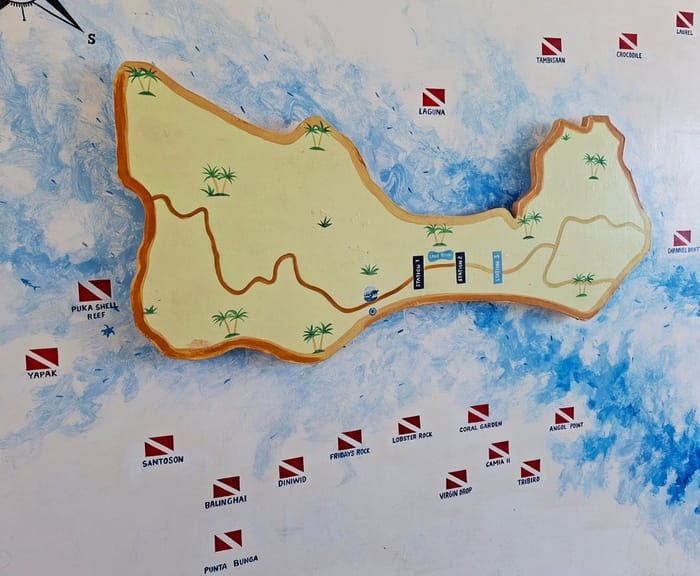
Boracay is a forgiving place to learn. The water is warm (around 27–29°C), the sites we use for beginners are sheltered and calm, and visibility is good, so there is nothing fighting you while you focus on relaxing and breathing. We train on a vertical guide rope, which means you always have a clear line to follow down and back, you never have to find your own way, and an instructor is right beside you the whole time. Small groups mean real one-on-one attention. If you are weighing it up against scuba, our honest freediving vs scuba diving guide helps you choose, and the beginner's guide to freediving walks through your very first session. When you are ready to go further, the freediving course page covers the levels, or explore everything on our freediving in Boracay hub.
Freediving is safe when it is taken seriously — trained, buddied, relaxed and well within your limits. The fastest way to enjoy it without the risk is to learn from instructors who do it every day. Have a question before you book? Get in touch and we'll talk you through it.
Frequently asked questions
Is freediving safe for complete beginners?
Yes, when you learn it properly. On a guided session you stay at gentle depths with an instructor beside you the whole time, well within your comfort zone. The risks come from freediving alone or pushing past your limits — neither of which happens on a supervised beginner dive.
Why can't you freedive alone?
Because a blackout from low oxygen is silent and gives no warning, and a diver on their own has no one to keep their airway clear of the water. Trained freedivers always use "one up, one down" — one dives while a buddy watches and is ready to help at the surface. It is the most important safety rule in the sport.
What is shallow water blackout?
It's a brief loss of consciousness caused by low oxygen, usually near the surface at the end of a dive. A watching buddy manages it in seconds. You avoid it by never hyperventilating, breathing up calmly, and surfacing with plenty of oxygen in reserve — all things a course teaches from the start.
Do I need to be a strong swimmer or very fit to freedive safely?
No. You need to be comfortable in the water and in reasonable health, but you don't need to be a competitive swimmer or an athlete. Relaxation matters far more than fitness — the calmer you are, the longer and more safely you can hold your breath.
How deep will I go on a first freedive, and is that safe?
On a Discover Freediving session you descend to a gentle 10 metres on the rope, at your own pace, with an instructor alongside. The PADI Freediver course then certifies you to 16 metres. Depth builds gradually with training — never all at once — which is exactly what keeps it safe.
What's the minimum age to learn freediving in Boracay?
The minimum age for our Discover Freediving and PADI Freediver programs is 12 years old. Everyone completes a short health check first; a few conditions need a doctor's sign-off, so message us if you're unsure.