

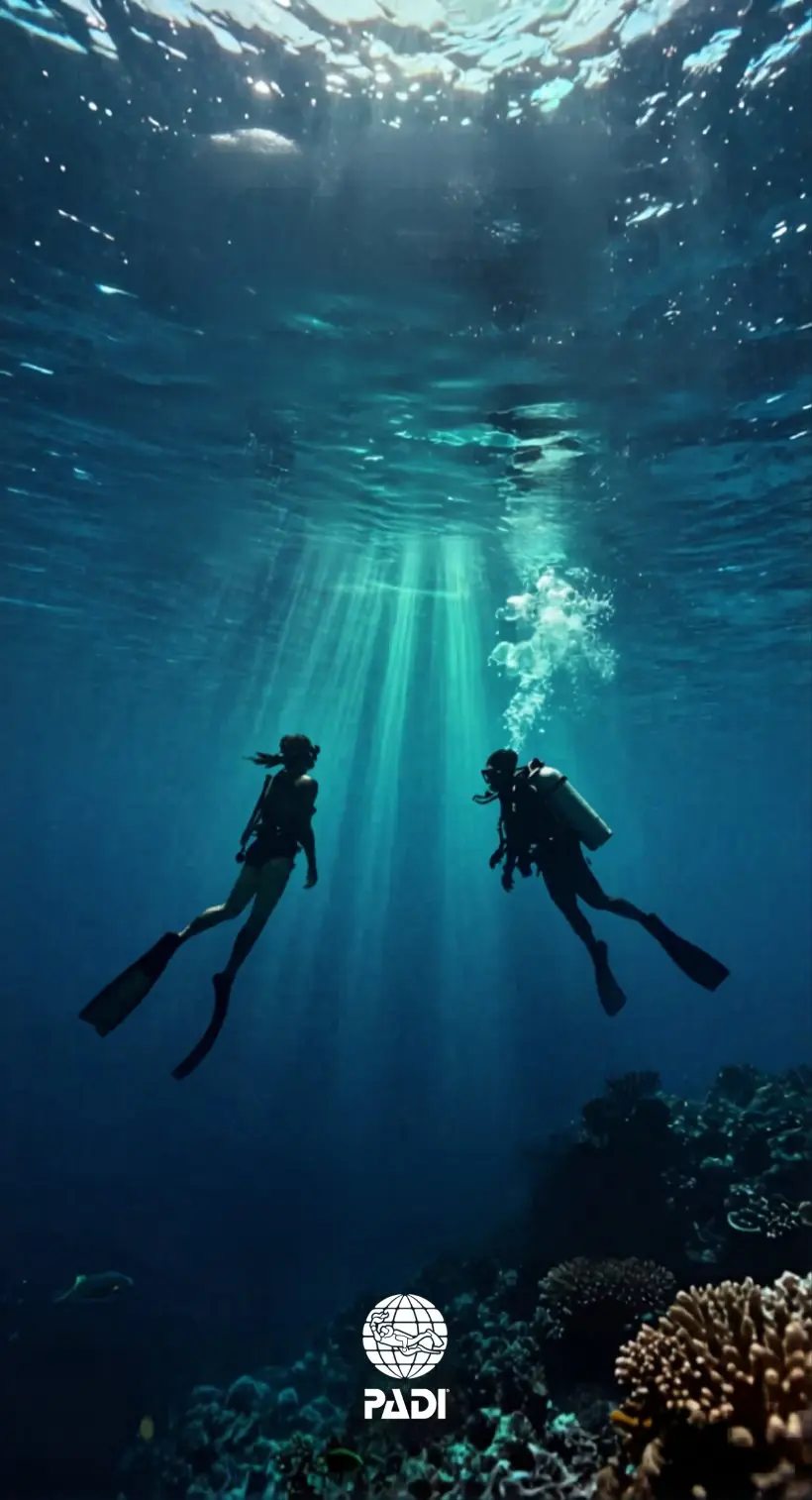
If you are trying to decide between freediving vs scuba diving in Boracay, the short answer is that neither is "better" — they are two very different ways to explore the same warm, clear water, and most people who try one end up curious about the other. Scuba lets you breathe underwater from a tank and stay down for the best part of an hour; freediving is a single breath, a quiet descent and a slower, more weightless kind of exploring. This guide breaks down how the two disciplines actually differ, what each one feels like on Boracay's reefs, and — if you only have time for one on this trip — which you should try first.
The core difference: one tank vs one breath
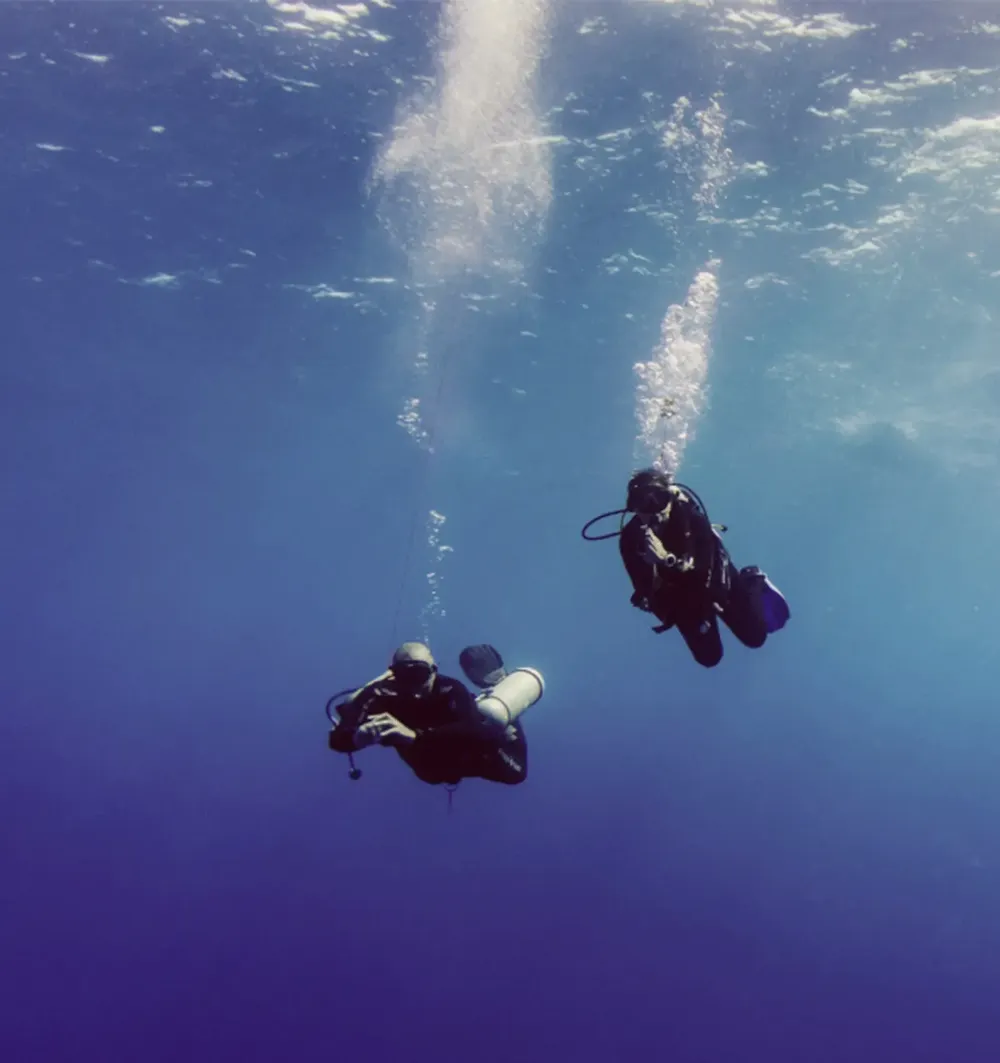
Scuba diving means you carry a cylinder of compressed air on your back and breathe continuously through a regulator. That single fact changes everything: you can stay underwater for roughly 45 minutes to an hour, hover comfortably at depth, and take your time drifting along a reef or exploring a wreck. Freediving is the opposite philosophy — no tank, no bubbles, just one held breath. You descend on that breath, spend anywhere from a few seconds to a minute or two under the surface depending on your training, and rise back up. Where scuba is about staying down and looking around, freediving is about the descent itself and the calm that comes with it.
What scuba diving in Boracay feels like
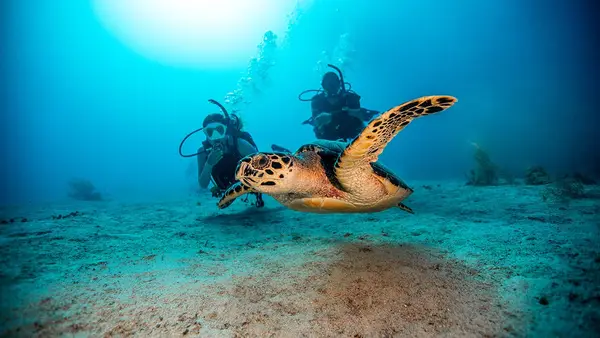
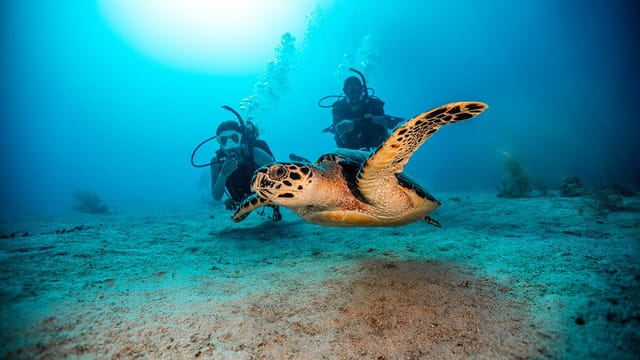
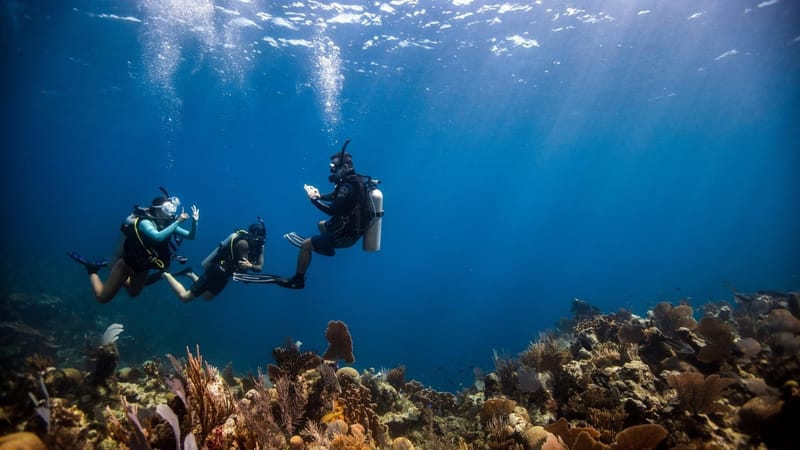
Scuba is the more forgiving introduction for most first-timers, because you never have to hold your breath — you simply breathe slowly and let the gear do the work. On a guided Discover Scuba dive a certified instructor stays beside you the whole time, and after a short briefing in the shallows you drop onto one of Boracay's gentle reefs and start meeting the residents: turtles, clownfish, reef fish in every colour, and the occasional reef shark cruising past. Because you can stay down and breathe normally, scuba gives you the most time face to face with marine life. It is also the path with the clearest ladder if you get hooked: Discover Scuba to try it, then the PADI Open Water course to get certified and dive independently to 18 metres, and Advanced Open Water beyond that.
What freediving in Boracay feels like
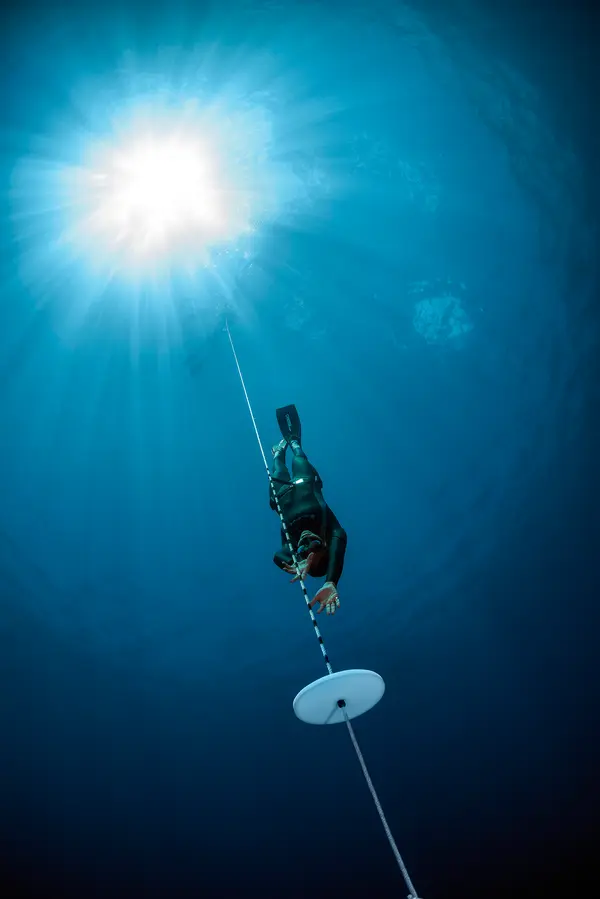
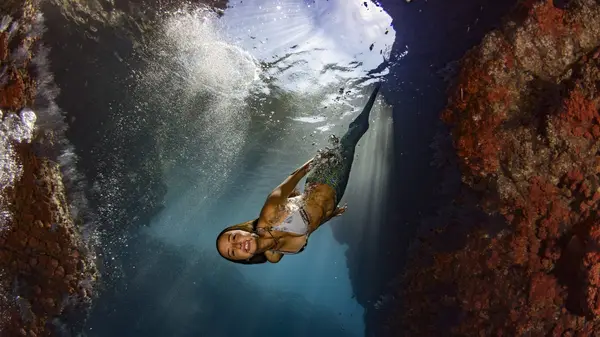
Freediving is quieter, more physical and, for a lot of people, more meditative. Without a tank or bubbles you move freely and silently, and marine life often lets you get closer because you are not a noisy cloud of exhaust. The catch is that you are working with a single breath, so the skill is not about lung size — it is about relaxation, efficient movement and equalizing your ears as you descend. That is exactly what a Discover Freediving session teaches: with a coach on the line beside you, you learn to breathe up, relax and glide down a few metres on one breath in Boracay's calm blue. From there the ladder is PADI Basic Freediver, then Freediver to 16 metres, and Advanced Freediver to 24 metres.
Which is easier to try for the first time?
Both are genuinely beginner-friendly here, and neither requires any prior experience or a scuba/freediving certification to try. Scuba usually feels easier on day one, because breathing from a regulator removes the one thing beginners worry about most — running out of air — and you are never asked to hold your breath. Freediving asks a little more of you mentally: you have to stay relaxed and comfortable holding a single breath, and getting your ears to equalize on the way down takes a few tries. Neither needs you to be an athlete or a strong swimmer to have a first go, but being comfortable and calm in the water helps with both. If you are anxious about the water, scuba is the gentler start; if you love the idea of moving freely and unplugging, freediving is worth the small learning curve.
Which should you try first?
Here is our honest, instructor's steer after guiding thousands of first dives on both sides:
- Try scuba first if you want maximum time underwater, you are most excited about seeing turtles, reef fish and coral up close, or the thought of holding your breath makes you nervous. Scuba is the easiest way to simply relax and look around on your very first go.
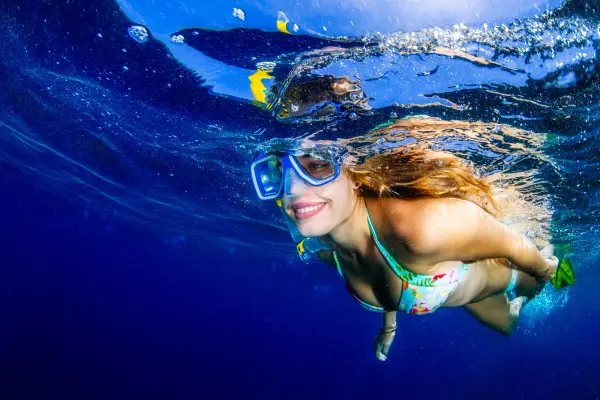
- Try freediving first if you are drawn to the freedom and quiet of moving without gear, you enjoy a physical and mental challenge, or you already snorkel confidently and want to go a bit deeper on one breath.
- Do both if you have a few days — and honestly, most of our guests who try one come back for the other. They complement each other beautifully: freediving improves your breathing, calm and water comfort, which makes you a better scuba diver, while scuba gives you the reef knowledge that makes freediving more rewarding.
If you truly have to pick just one on a short trip and you have never breathed underwater before, we usually point first-timers toward a Discover Scuba dive for the sheer wow of staying down and breathing easily — then, if the ocean has you hooked, freediving is the natural second experience.
Why Boracay is a great place to try either
Boracay's dive conditions suit beginners in both disciplines: warm water year-round (no thick wetsuits), generally calm, sheltered sites close to White Beach, and good visibility on the reef. The same short boat ride takes you to sites that work for a first scuba dive or a first line descent, so you can base yourself in one place and sample both. Our team teaches scuba and freediving under the same roof, which means you can try one in the morning and the other another day without hopping between operators.
Getting started with New Wave Divers
Whichever way you lean, the first step is the same: a short, guided try-dive with an instructor or coach who does this every day. For scuba that is Discover Scuba (no certification needed), leading into the Open Water course when you are ready to dive on your own. For freediving it is Discover Freediving in the ocean, leading into the PADI Freediver course to 16 metres. Not sure which suits you? Tell us what you are hoping to get out of it and we will match you to the right first experience — just reach out through our contact page.
Frequently asked questions
Is freediving or scuba diving harder for beginners?
For most first-timers scuba feels easier, because you breathe continuously from a tank and never have to hold your breath. Freediving asks you to stay relaxed on a single breath and equalize your ears as you descend, which takes a few tries. Both are beginner-friendly with a guide.
Do I need to be certified to try freediving or scuba in Boracay?
No. Discover Scuba and Discover Freediving are try-dive experiences designed for complete beginners with no certification and no prior experience. A certified instructor or coach guides you the whole time. Certification courses come later if you want to dive independently.
Do I need to be a strong swimmer?
You do not need to be an athlete or a competitive swimmer to try either one, but being comfortable and calm in the water helps a lot — especially for freediving. If you are unsure, let us know and we will keep your first session shallow and relaxed.
How deep will I go on a first try?
On a first Discover Scuba dive you stay in the shallows with your instructor. Freedivers start with a few metres on one breath. As you train, PADI Open Water certifies scuba divers to 18 metres and the PADI Freediver course takes freedivers to 16 metres.
Can I do both freediving and scuba diving on the same trip?
Absolutely, and many of our guests do. They complement each other — freediving builds the calm, breathing and water comfort that make you a better scuba diver, while scuba deepens your knowledge of the reef. We teach both, so you can try one day and the other on the next.
Which should I try first if I only have one day?
If you have never breathed underwater and want the easiest, most relaxing first experience, we usually suggest a Discover Scuba dive. If you are already a confident snorkeler drawn to the freedom of moving without gear, start with Discover Freediving. Tell us your goal and we will point you the right way.