






Can you see whale sharks in Boracay? It is one of the questions we are asked most often at the dive shop, and the honest answer is no — not in Boracay's own waters. Whale sharks are not resident here, and the occasional rumour of one passing by is exactly that. Rather than sell you a dream that isn't ours to sell, here is the straight picture: what whale sharks actually are, where in the Philippines you genuinely can see them, and what is waiting on Boracay's own reefs, which is a great deal more than most visitors expect.
Are there whale sharks in Boracay?
No, not in any way you could plan a trip around. Whale sharks are highly migratory and they follow food — they gather where dense, predictable plankton blooms form, often where nutrient-rich water wells up or a river mouth feeds the sea. Boracay's reefs are wonderfully rich in reef life, but they do not produce the sustained plankton blooms that hold whale sharks in one place. There is no resident population here and no season when they reliably appear. Any dive shop promising you a whale shark in Boracay is promising something it cannot deliver.
What exactly is a whale shark?
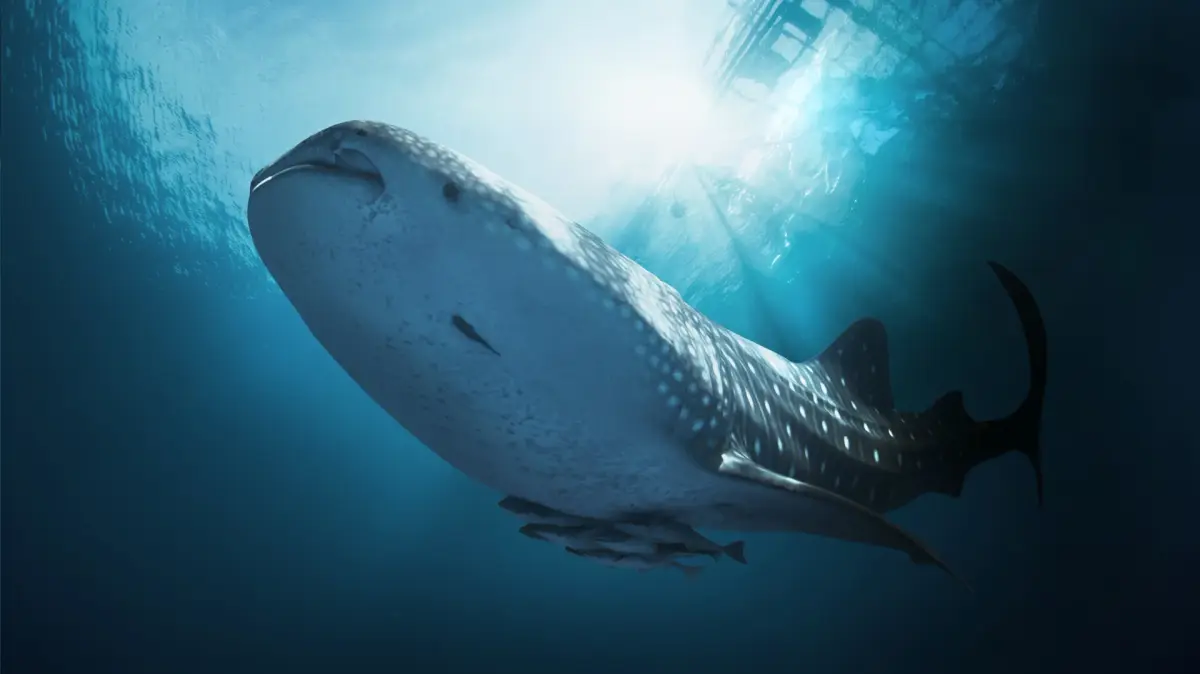
The whale shark (Rhincodon typus) is the largest fish in the sea. Individuals can grow past 12 metres, and despite the name they are sharks, not whales — and entirely harmless ones. They are filter feeders: they cruise slowly with their mouths open, straining plankton and tiny fish from the water. They have no interest in people whatsoever, and no teeth worth worrying about.
Every whale shark carries a pattern of pale spots and stripes across its back that is unique to that animal, like a fingerprint. Researchers photograph those patterns to identify and track individuals across entire ocean basins, which is how we know how far they travel. They are also, sadly, listed as Endangered on the IUCN Red List, which is exactly why how you go to see one matters as much as whether you go at all.
Where you can actually see whale sharks in the Philippines
The Philippines is one of the best countries in the world for whale sharks — just not on this island. These are the places people travel to, and they are genuinely not equal, so it is worth knowing the differences before you book anything:
- Donsol, Sorsogon — the one most conservationists point to. The sharks here are wild and unprovisioned: nobody feeds them, so they come and go on their own terms and sightings are never guaranteed. That unpredictability is the whole point. The season runs roughly December to May, with the best months usually around February to April.
- Southern Leyte (Sogod Bay and Pintuyan) — another seasonal, wild aggregation, quieter and far less visited than Donsol. Roughly November to May.
- Antique (Libertad) — the closest site to Boracay, reachable as a long day trip from the island. The activity is regulated by the local government, and the boats used on site are paddle-powered bangka rather than motorised, which removes the risk of propeller injuries. Be aware that a light food provisioning is used here to draw the sharks close to shore.
- Oslob, Cebu — the most famous and the most criticised. Whale sharks here are hand-fed daily, which has kept a group of them resident year-round and measurably changed their natural behaviour and movement. We would not send a guest here, and we would gently suggest you look elsewhere.
New Wave Divers does not run whale shark trips to any of these sites. We are simply telling you what exists so that you can make your own decision with the full picture in front of you.
Why we don't offer a whale shark tour
Two reasons, and we would rather say them plainly than stay vague. The first is practical: every one of these sites is a long way from Boracay. Even the nearest means a boat, a long road transfer and most of a day, and the encounter itself lasts a matter of minutes.
The second matters more to us. Several of the reliable sites in this country are reliable precisely because the animals are fed, and feeding a wild, endangered, migratory animal to keep it in one place for tourists is not something we want to put our name to. We would rather be the dive shop that tells you the truth and then shows you something genuinely wild instead.
What you can actually swim with in Boracay
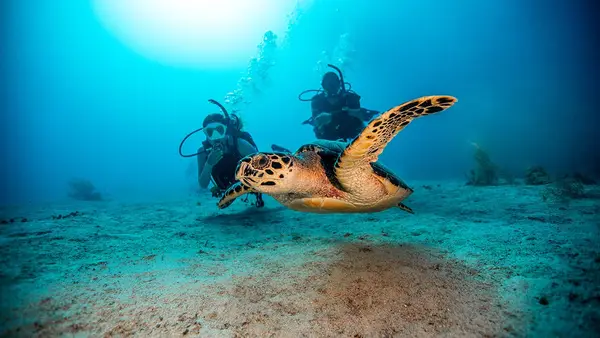
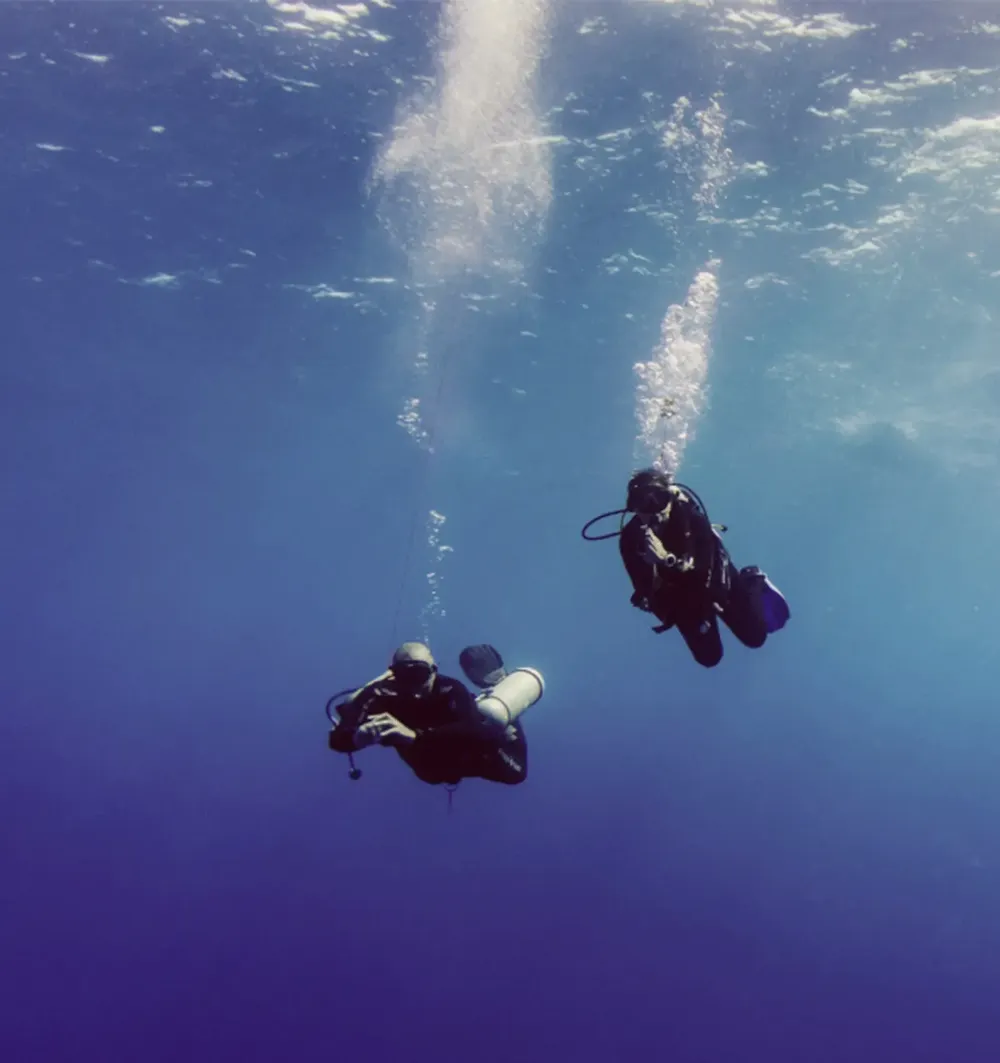
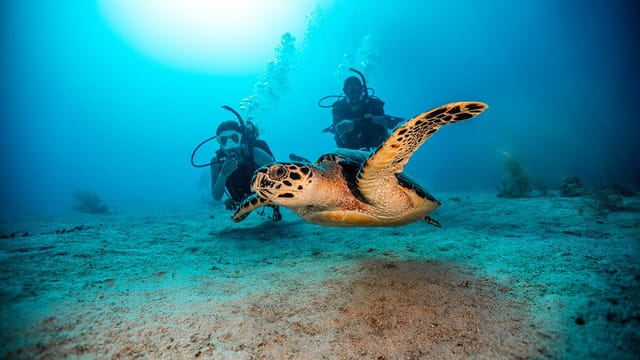
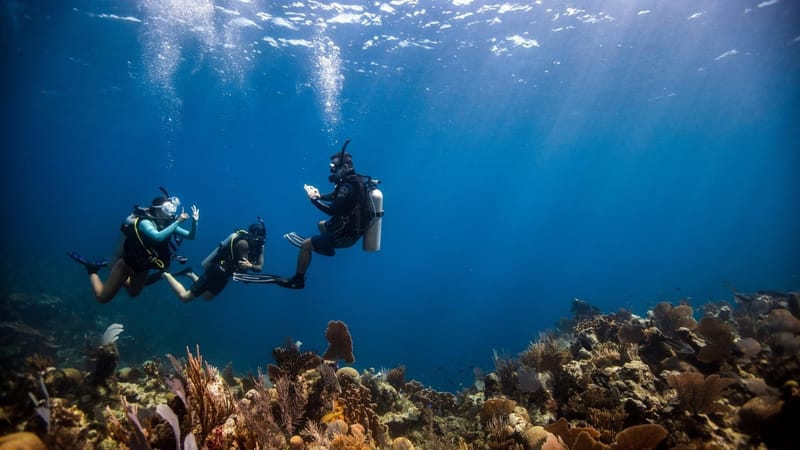
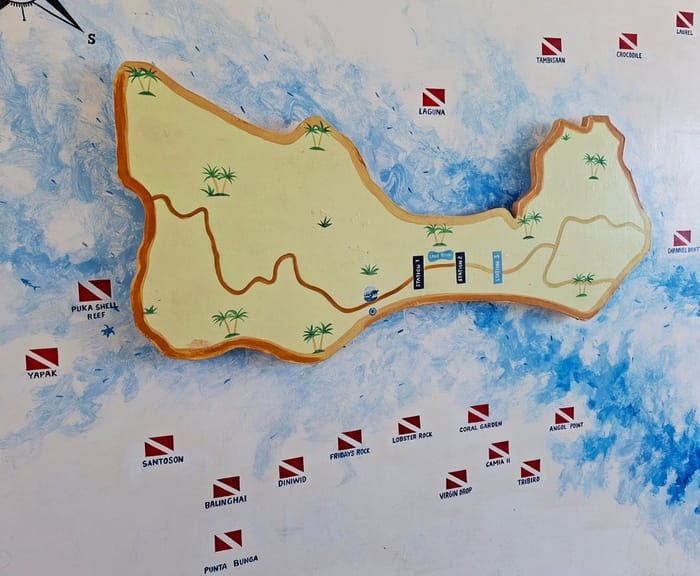
Here is the part most visitors underestimate. Boracay has around 25 dive sites within a short boat ride, from gentle coral gardens in a few metres of water to the famous wall at Yapak that drops away past 30 metres. On any given week our guides are seeing green and hawksbill turtles, whitetip reef sharks dozing under coral heads, bamboo sharks tucked into crevices, schooling jacks and batfish, clouds of anthias over the hard coral, and — if you like the small stuff — some of the most photogenic nudibranchs in the region.
Yes, there are sharks here. They are simply the harmless kind: reef sharks that want nothing to do with you and will usually leave before you get close. If that surprises you, our guide to sharks in Boracay explains which species live on our doorstep and why none of them is a reason to stay out of the water.
The best ways to see it
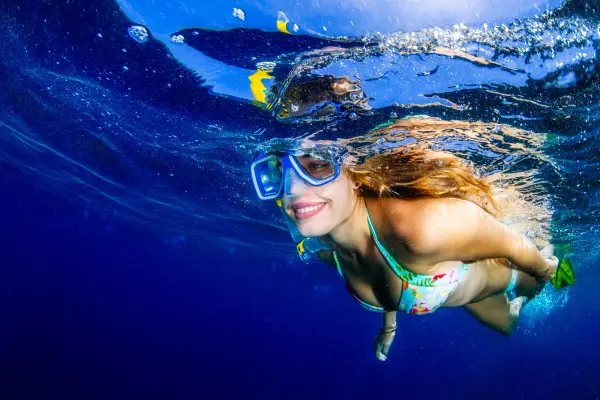
If you want the whale shark feeling — big blue water, a mask, no certification required — a guided snorkel tour is the closest thing Boracay offers. Full gear, a certified guide and photos are included, and you are floating over living coral within twenty minutes of leaving the beach.
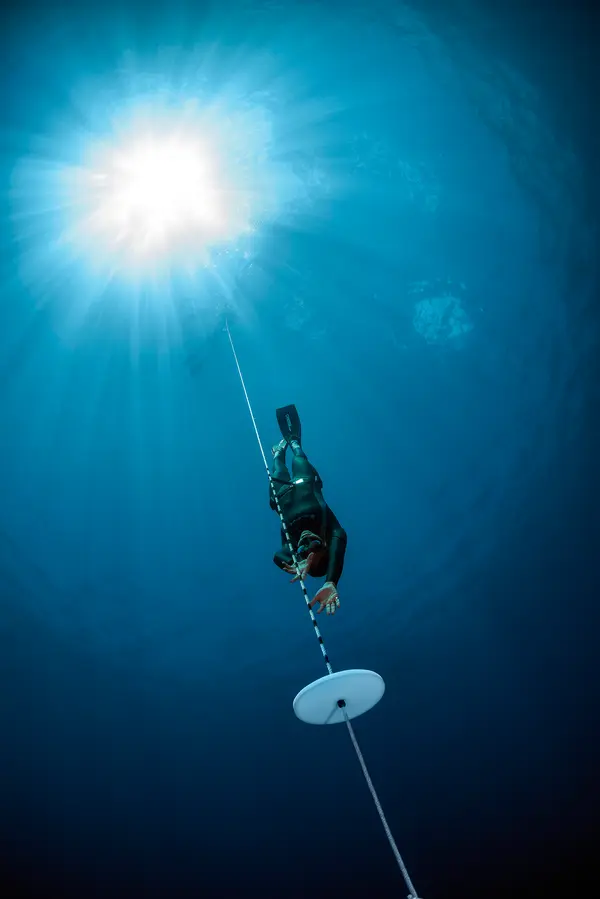
If you would rather go under, a beginner's Discover Scuba session takes you from never having breathed underwater to doing exactly that, in one afternoon and with an instructor within arm's reach the whole time. Already certified? Our guides run guided fun dives on Boracay's reefs every day, and can put together a dive plan around whatever you most want to see. And if holding your breath appeals more than carrying a tank, our freediving courses teach you to descend calmly on a single breath.
When to come for the best conditions
Boracay's high season, roughly November to May, brings the calmest seas and the clearest water, and it is when the west-coast sites are at their best. Visibility opens up, the boat rides are comfortable, and the deeper sites like Yapak become reliably divable. The low season still offers good diving — conditions simply move around the island with the wind, and our guides pick the sheltered side on the day.
Frequently asked questions
Can you see whale sharks in Boracay?
No. Whale sharks are not resident in Boracay's waters and there is no season when they reliably appear, so a sighting here cannot be planned or promised. To see them in the Philippines you need to travel to one of the known aggregation sites, none of which is on this island.
Does New Wave Divers run whale shark tours?
We don't. Every reliable site is a long day's travel from Boracay, and several of them rely on feeding wild whale sharks to keep them in place, which is not something we want to put our name to. We would rather point you honestly at what exists and then show you Boracay's own reefs.
Where is the closest place to Boracay to see whale sharks?
Libertad in Antique province, on the same island as Boracay's gateway at Caticlan, is the nearest site — a long day trip involving a short boat crossing and a road transfer. It is regulated by the local government and uses paddle-powered boats rather than motorised ones, though a light food provisioning is used to bring the sharks close to shore. Donsol, in Sorsogon, is considerably further but is the wild, unprovisioned option.
Are whale sharks dangerous?
Not at all. They are filter feeders that eat plankton and tiny fish, and they have no interest in people. The only real risk at any whale shark site comes from boats and crowds, not from the animal.
What sharks will I actually see diving in Boracay?
Mostly whitetip reef sharks and bamboo sharks, both small, shy and completely harmless to divers. Sightings are common but never guaranteed — they are wild animals on a busy reef, and they usually see you first.
When is the best time to dive or snorkel in Boracay?
Roughly November to May, when the seas are calmest and visibility is at its best. Diving runs year-round, and our guides choose the sheltered side of the island according to the day's conditions.
Whale sharks may not be on the menu here, but Boracay's reefs are a great deal livelier than their reputation suggests. Talk to our team about what you would most like to see and we will point you at the right dive, or the right reef, for the days you have.