





Underwater photography in Boracay is one of the most rewarding ways to remember a dive trip — and you don't need a professional rig to do it well. Between the warm, clear water, the shallow reefs bathed in sunlight and the sheer variety of life on our house reefs, Boracay hands photographers easy conditions and genuinely photogenic subjects. This guide walks through the gear that actually works, the handful of techniques that make the biggest difference, the best dive sites for photos, and how our PADI 5★ team helps you come home with shots you're proud of.
Why Boracay is great for underwater photography
Three things make Boracay beginner-friendly for a camera. First, the water is warm (around 26–30°C year-round) and the dive sites are a short boat ride from shore, so you're relaxed and not fighting the cold or long surface intervals. Second, many reefs sit shallow, where natural sunlight is strongest and colours stay richest — the single biggest advantage an underwater photographer can have. Third, the subjects are varied and often cooperative: slow-moving macro life, curious turtles, dense schools of reef fish and dramatic walls all within one short trip. You can explore the full range of Boracay dive sites to see what each one offers.
Choosing a camera: GoPro, phone or compact
The best underwater camera is the one you'll actually bring down and learn to use. Here's how the common options stack up for a Boracay dive:
- Action cameras (GoPro and similar) — small, rugged, wide-angle and forgiving. Ideal for reefscapes, turtles and video. Their fixed wide lens means you must get close, which happens to be exactly the right habit underwater.
- Phone in a dive housing — convenient and increasingly capable, but check the housing's depth rating and that the buttons work with gloves. Phones struggle most with fast-moving fish and low light at depth.
- Compact or mirrorless in a housing — the step up for anyone serious about macro (frogfish, nudibranchs, pygmy seahorses), where manual focus and a dedicated light pay off.
Don't own a camera? A GoPro is available to rent as an add-on on our dives, and if you bring your own, our guides are happy to help you get the shot — check the current rental rate on the guided fun dive page.
The golden rules of underwater photography
Technique beats gear every time. Four habits will transform your results more than any upgrade.
Get close — then get closer
Water scatters light and strips away sharpness, contrast and colour with every metre between you and your subject. The best underwater photos are shot from within a metre or two. Fill the frame, cut the amount of water the light has to travel through, and your images instantly look clearer and more vivid.
Shoot slightly upward
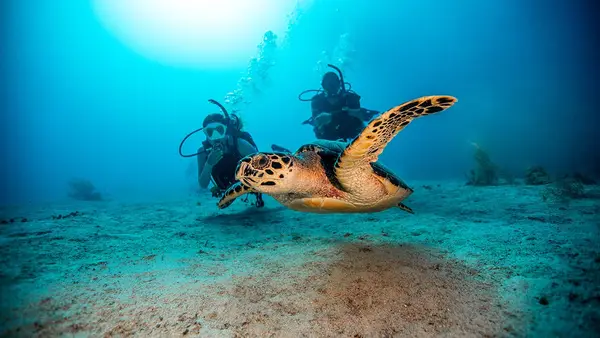
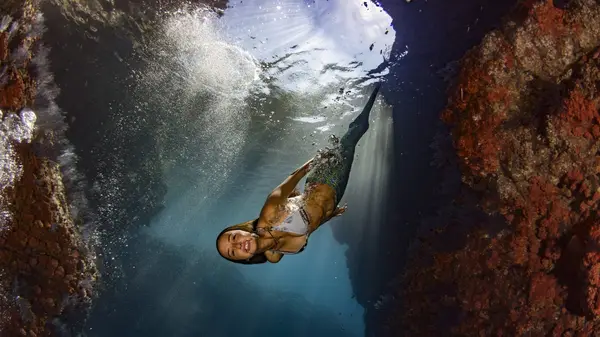
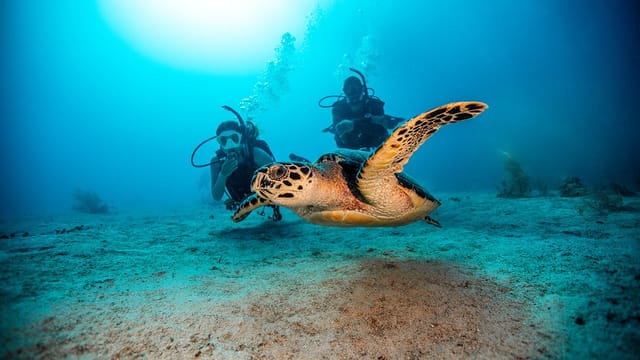
Angling the camera up (rather than down onto the reef) separates your subject from the background, catches the blue water or sun behind it, and gives a far more flattering perspective than a flat top-down snap. Get low and shoot a turtle or a diver against the light for that classic silhouette.
Mind the light and the lost colours
Red is the first colour the water swallows — it's largely gone by about 5 metres, which is why deeper shots look blue-green. You have three fixes: stay shallow where sunlight keeps colours alive, add a red filter on bright shallow dives, or carry a small video light or strobe to put the colour back. Natural light is free and beautiful on Boracay's shallow reefs, so start there.
Nail your buoyancy first
Good photos come from a stable, still diver. If you're sculling with your hands or bumping the reef, your framing suffers and you damage coral. Being able to hover motionless and hold position in a gentle current is the real foundation of underwater photography — it's also the single skill that makes every dive better. If buoyancy is your weak point, a few focused dives (or the Peak Performance Buoyancy adventure dive in our Advanced Open Water course) are the fastest fix.
The best Boracay dive sites for photos
Different sites reward different styles. Match the dive to the picture you want:
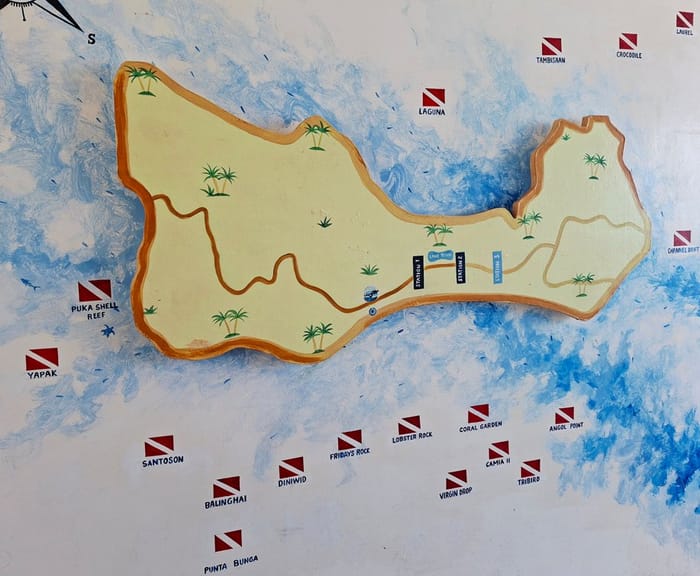
- House reefs and Crocodile Island — shallow, colourful and alive with reef fish, clownfish in their anemones and macro critters. The go-to for vivid, natural-light reefscapes and macro.
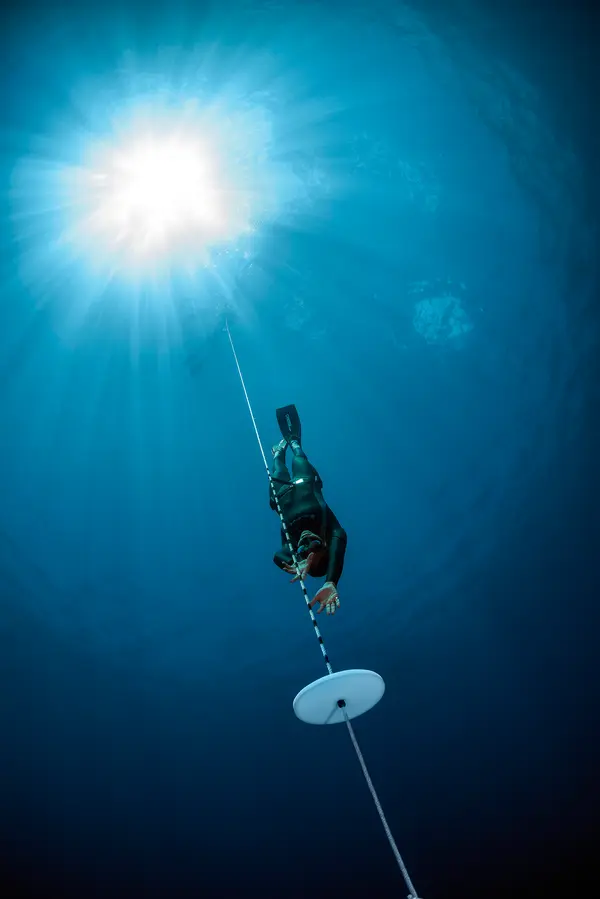
- Yapak and Punta Bunga — Boracay's walls and drop-offs, where you can frame divers against the blue, catch bigger fish and shoot wide, dramatic scenes (these are deeper, certified-diver sites).
- Camia and Tri-Bird wrecks — atmospheric structure draped in coral and swarming with fish, perfect for moody wide-angle shots.
Not sure what you'll meet down there? Our round-up of the top marine species in Boracay is a handy subject list to plan your shots around.
Shoot responsibly — the reef comes first
A great photo is never worth harming the reef. Never touch, move or chase an animal to get a shot, don't settle your fins or hands on coral to steady yourself, and keep a respectful distance from turtles and larger life — let them come to you. Responsible, low-impact diving isn't just ethical; relaxed animals behave naturally and give you better pictures. Our guides will always show you where to position yourself without disturbing anything.
Want to take it further?
If you've caught the bug, the Digital Underwater Imaging adventure dive is one of the options in our Advanced Open Water course — a guided dive focused entirely on composing, lighting and shooting underwater, and it credits toward the PADI imaging specialty. It's the natural next step once you've got the basics and want a professional's eye on your technique. Just ask us and we'll build it into your plan.
How to shoot on a dive with us
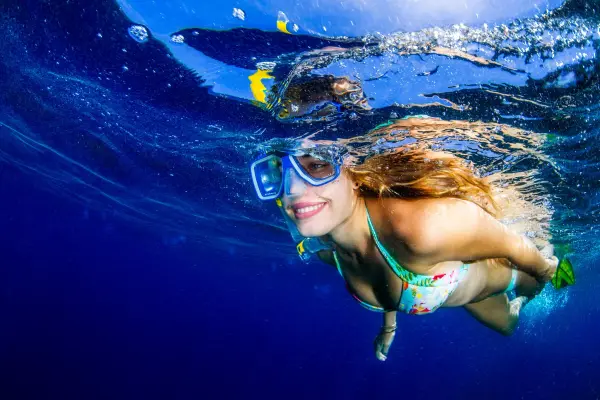
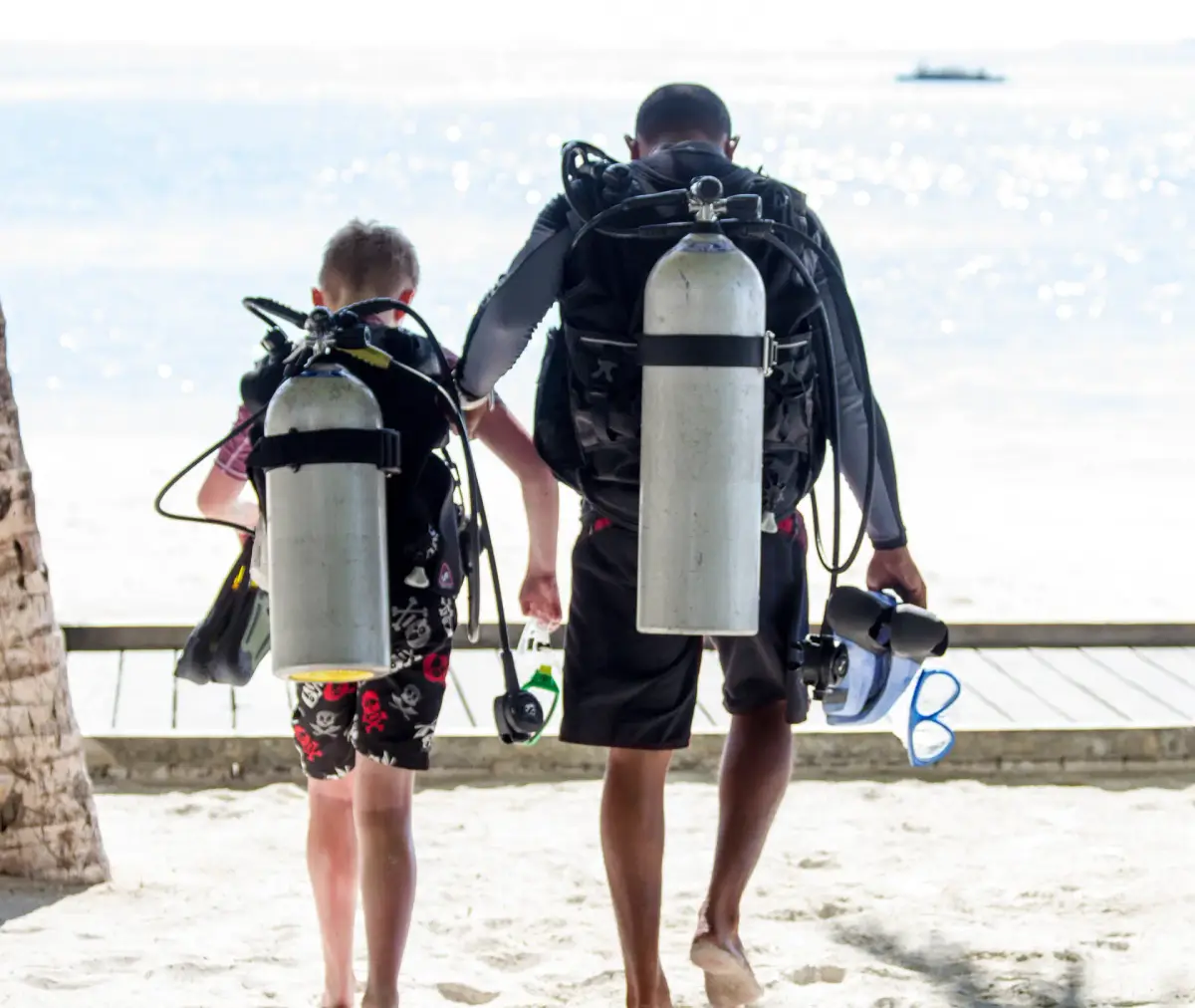
Certified divers can bring a camera on any guided fun dive — full gear, a dive computer, your guide and the boat are included, and we'll point you toward the day's most photogenic sites and conditions. Timing helps too: mornings are usually calmest and clearest, and the Amihan season (roughly November to May) tends to bring the best visibility — our guide to the best time to dive in Boracay has the details. Not certified yet? You can still get great shots: on a guided Discover Scuba Diving experience your instructor can carry a GoPro or help you capture your very first dive. Whichever way you get in the water, our scuba diving team will help you leave with photos worth sharing.
Frequently asked questions
Do I need an expensive camera for good underwater photos in Boracay?
No. A GoPro or even a phone in a proper dive housing can take excellent photos in Boracay's shallow, sunlit water. Technique — getting close, shooting upward and holding steady — matters far more than the price of your camera.
What are the most important underwater photo settings and techniques?
Get within a metre or two of your subject, shoot slightly upward to use the natural light and background, and keep yourself still with good buoyancy. Below about 5 metres, add a red filter or a small video light to bring colours back, or stay shallow where sunlight keeps them vivid.
Which Boracay dive sites are best for photography?
Shallow house reefs and Crocodile Island are best for colourful, natural-light reef and macro shots; Yapak and Punta Bunga offer dramatic walls and bigger fish for certified divers; and the Camia and Tri-Bird wrecks make atmospheric wide-angle subjects.
Can beginners take photos on a Discover Scuba dive?
Yes. On a guided Discover Scuba Diving experience the dive is shallow and the light is good, and your instructor can carry a GoPro or help you frame shots — so you can capture your first-ever dive even without a certification.
Do you rent underwater cameras?
A GoPro is available to rent as an add-on on our dives, and you're very welcome to bring your own camera — our guides will help you get the shot. Check the current rental rate on the fun dive product page when you book.
When is the best time of year for underwater photography in Boracay?
The Amihan season (roughly November to May) usually brings the calmest water and clearest visibility, and mornings are best on most sites. The water stays warm (around 26–30°C) all year, so you can shoot comfortably in any season.