








The best time to visit Boracay for water activities is the dry season — roughly November to May — when the northeast Amihan winds bring calm seas, clear skies and the clearest underwater visibility of the year. That is the short answer. The longer one is more reassuring: Boracay is a genuine year-round island, warm water never leaves, and every month has something to offer below the surface. This guide walks you through the seasons, the weather, the crowds and the sweet spots for each activity, so you can plan a trip that actually lands in the water.
Boracay's two seasons at a glance
Boracay has two main seasons, set by the monsoon winds rather than by hot-and-cold:
- Dry season (Amihan) — November to May. Cooler northeast winds, clear skies, calm seas. This is peak tourist season, and for good reason: the conditions are the easiest and the visibility is the best. White Beach faces west and stays sheltered, so the main swimming and boat side of the island is usually glassy.
- Wet season (Habagat) — June to October. Southwest monsoon winds, warmer air, and spells of heavy rain between sunny stretches. Seas can get choppier and visibility more variable, but prices drop, crowds thin out, and plenty of days are perfectly good for being on the water.
Water stays warm all year — roughly 26–30°C (79–86°F) — so this is really a question of surface conditions and crowds, not of whether the sea is swimmable. It always is.
The best overall time to visit: the dry season (November to May)
If you want the easiest, most reliable water conditions, aim for the Amihan months. November through February are cool and calm with the year's best visibility, and March through May are warmer, bright and still settled — a favourite window for first-timers because the sea is so forgiving. Calm water makes everything simpler: your first guided breaths on a Discover Scuba Diving session, a relaxed float on a snorkeling tour, or a smooth descent on the freediving line. Clear water also means better photos, which matters if a mermaid shoot or underwater pictures are on your list.
The trade-off is that this is high season. It is busier and pricier, and the best morning slots book out — so reserve your activities ahead of time rather than hoping to walk up.
Visiting in the wet season (June to October): the honest take
Don't write off the green months. Habagat in Boracay is rarely all-day rain; it is more often bright mornings with a passing afternoon shower. Because Boracay sits in a sheltered pocket, many wet-season days are calm enough for diving and snorkeling, especially early. You get fewer crowds, lower prices and a quieter beach.
What to keep in mind: conditions are less predictable, so stay flexible with timing, and book activities for the morning, when the sea is usually at its calmest. The occasional blown-out day happens — a good dive team simply shifts you to a sheltered site or reschedules. If your dates are fixed and you care most about guaranteed glassy water and maximum visibility, the dry season still wins; if you want value and space, the wet season is an underrated choice.
Month-by-month quick guide
- November–February: Cool, calm, clearest visibility. The best conditions of the year, and the start of peak season.
- March–May: Warm, bright, settled seas. Excellent all-rounder for diving, snorkeling, freediving and photos — and the busiest stretch.
- June–August: Warm with monsoon showers; mornings often calm. Fewer crowds, better prices, slightly more variable visibility.
- September–October: The greenest, quietest window. Flexible plans pay off; great value and space on the water.
The best time for each water activity
Different activities reward slightly different timing, but all four run year-round with us:
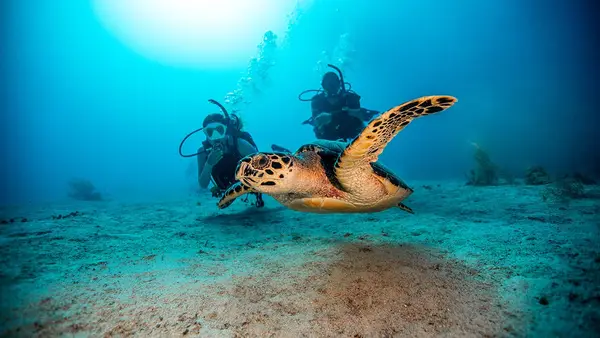
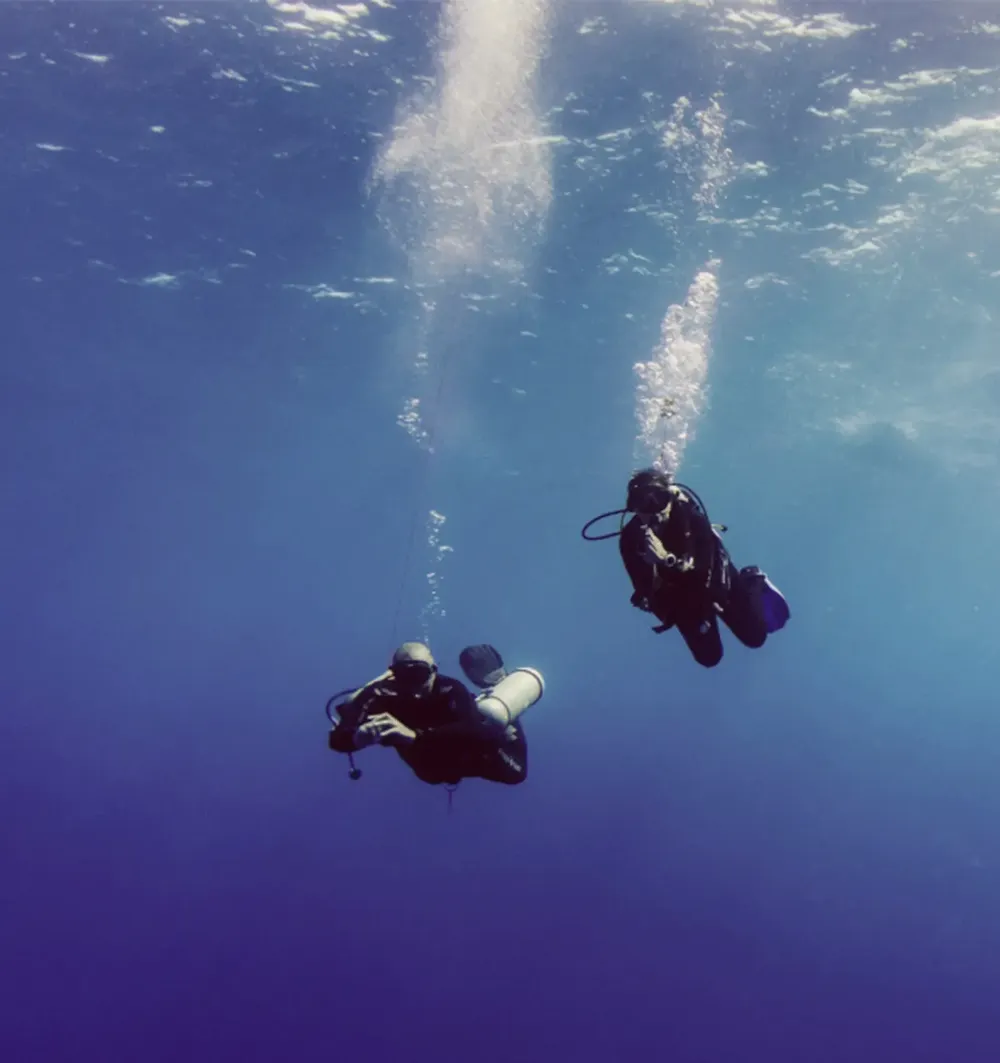
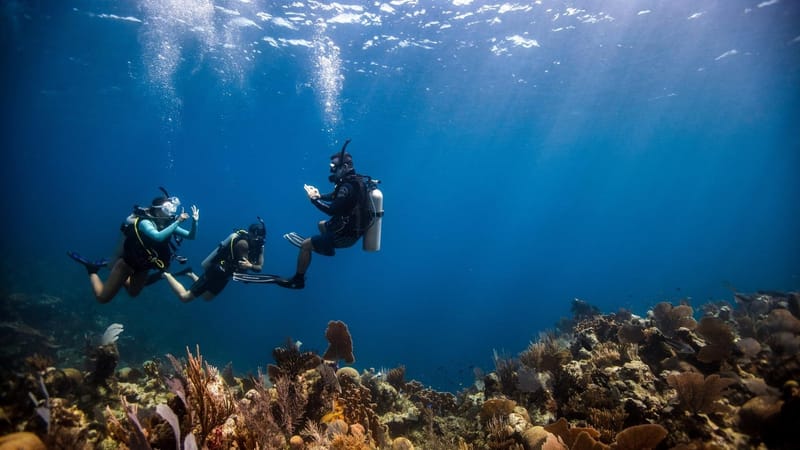
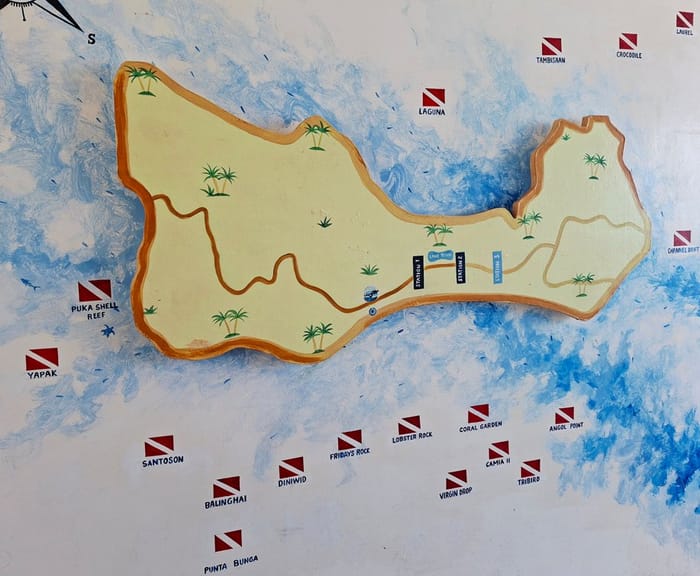
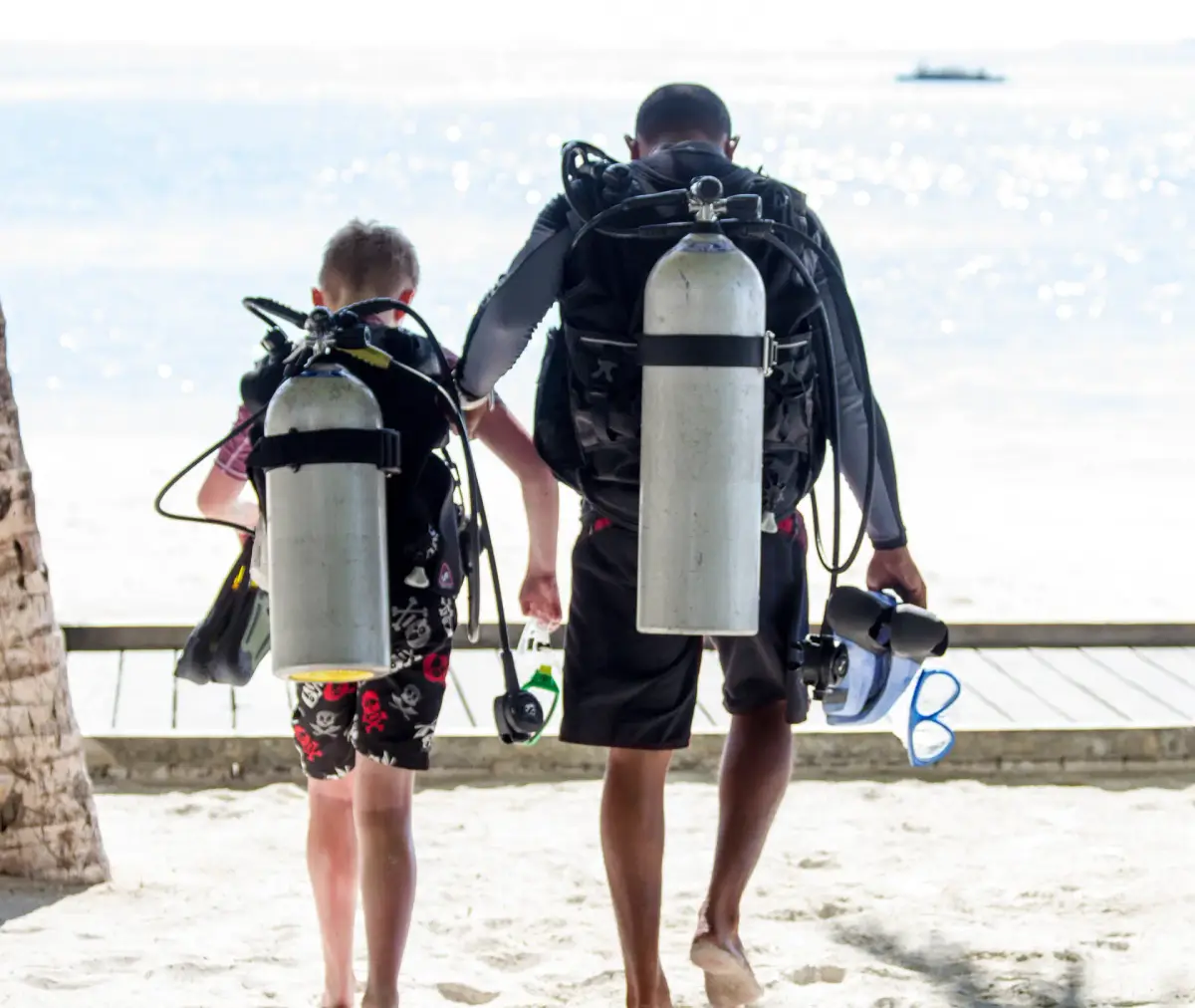
- Scuba diving & trying scuba. November to May gives the clearest water and easiest entries, perfect for a first Discover Scuba Diving experience (no experience needed, minimum age 10) or guided fun dives for certified divers across Boracay's roughly 20 dive sites. Keen on the clearest water and cooler-season visitors like manta rays and turtles? Read our companion guide on the best time to dive in Boracay.
- Snorkeling. Calm dry-season mornings make the reefs at Crocodile Island and Coral Garden their most inviting. A guided snorkeling tour includes gear, a certified guide and photos, so you can enjoy the reef in any settled weather window.
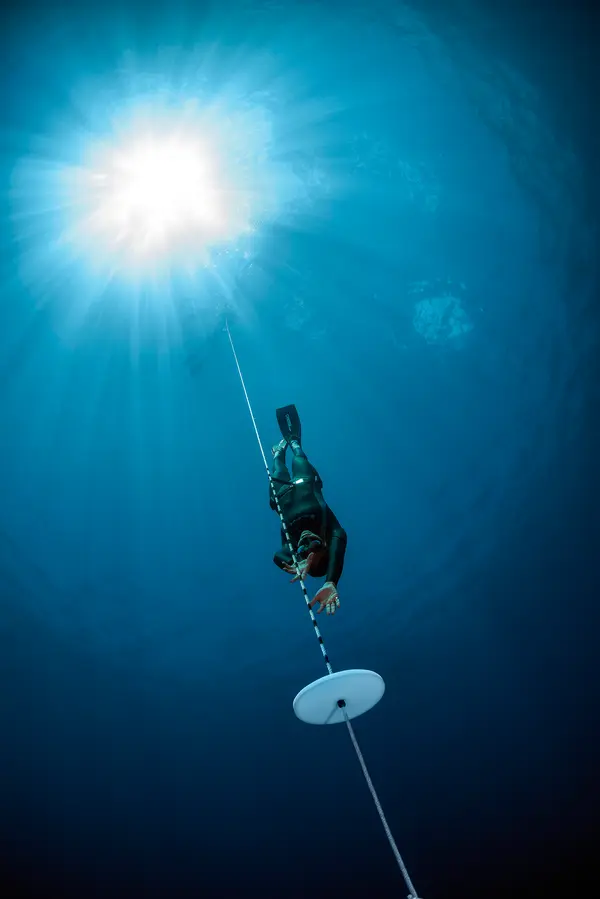
- Freediving. Clear, calm water helps you relax and descend, so the dry season is ideal for your first Discover Freediving session on the rope to a gentle 10m (minimum age 12, basic swimming ability).
- Mermaid photoshoot. This is a dry-land cosplay experience — tail, posing and a beach photoshoot — so it works all year, all ages, no swimming. For the softest light, book a mermaid shoot around golden hour; the dry-season skies are the most dependable for sunset photos.
Water temperature and what to bring
Boracay's water sits around 26–30°C year-round, so a thin wetsuit or a rash guard is plenty for most people — we provide the right exposure gear for every activity. Bring reef-safe sunscreen, a hat and a refillable water bottle, and if you burn easily, a long-sleeve rash guard is more comfortable than lotion on a long day on the boat. For any diving, remember the no-fly rule: leave at least 18–24 hours between your last dive and a flight, so plan your water days earlier in the trip rather than the morning you leave.
Crowds, prices and booking ahead
Peak season (roughly December through April, and around Philippine holidays) brings the best weather and the biggest crowds. If you visit then, book your activities in advance and take the earliest start times — mornings are calmer and less busy. Shoulder and green months (June to October) offer the same warm water with more room and lower prices. Whenever you come, reserving ahead secures your preferred slot and, with us, our online-booking and cash discounts.
How to plan your Boracay water days
A few local truths make any itinerary better. Mornings are almost always the calmest and clearest part of the day, so put your in-water activities first. The famous White Beach strip is soft sand, not reef — the best snorkeling and diving reefs are a short boat ride away, which our tours and dives include. And give yourself a buffer day if the weather is unsettled, so a single grey morning doesn't cost you the activity you came for. Not sure how to sequence it all? Send us your dates and we'll help you plan — just get in touch, or browse Boracay's dive sites to see what's on offer.
Frequently asked questions
What is the best month to visit Boracay for water activities?
For the calmest seas and clearest water, aim for the dry Amihan season, November to May — with November to February the clearest and March to May the warmest and still settled. These months give the easiest conditions for diving, snorkeling and freediving.
Can you dive and snorkel in Boracay during the rainy season?
Yes. The wet Habagat season (June to October) is rarely all-day rain, and Boracay's sheltered position means many mornings are calm enough for diving and snorkeling. Conditions are just less predictable, so book early-morning slots and stay a little flexible.
How warm is the water in Boracay?
Comfortable year-round — roughly 26–30°C (79–86°F). A thin wetsuit or rash guard is plenty, and we provide the right exposure gear for your activity.
When is Boracay least crowded?
The green months of June to October are the quietest, with fewer visitors and lower prices. Peak season runs roughly December to April, when the weather is best but the island is busiest — so book activities ahead if you travel then.
Is there a bad time to visit Boracay for the ocean?
Not really — the water stays warm and swimmable all year. The wet season brings more variable surface conditions and the occasional blown-out day, but a good dive team simply moves you to a sheltered site or reschedules. If you want guaranteed glassy water, choose the dry season.
How far ahead should I book my water activities?
In peak season (December to April and around holidays), book as early as you can to secure the best morning slots. In quieter months you have more flexibility, but reserving ahead still locks in your preferred time and our online and cash discounts.