




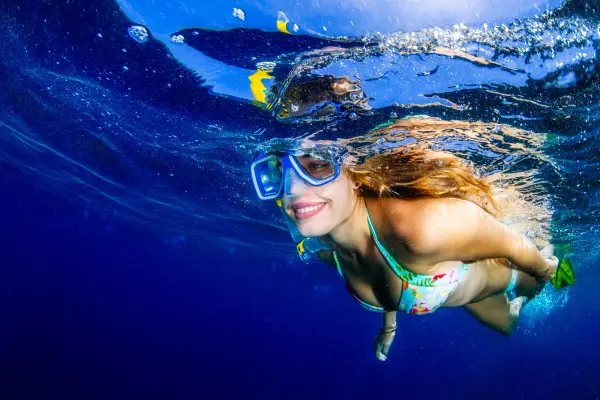
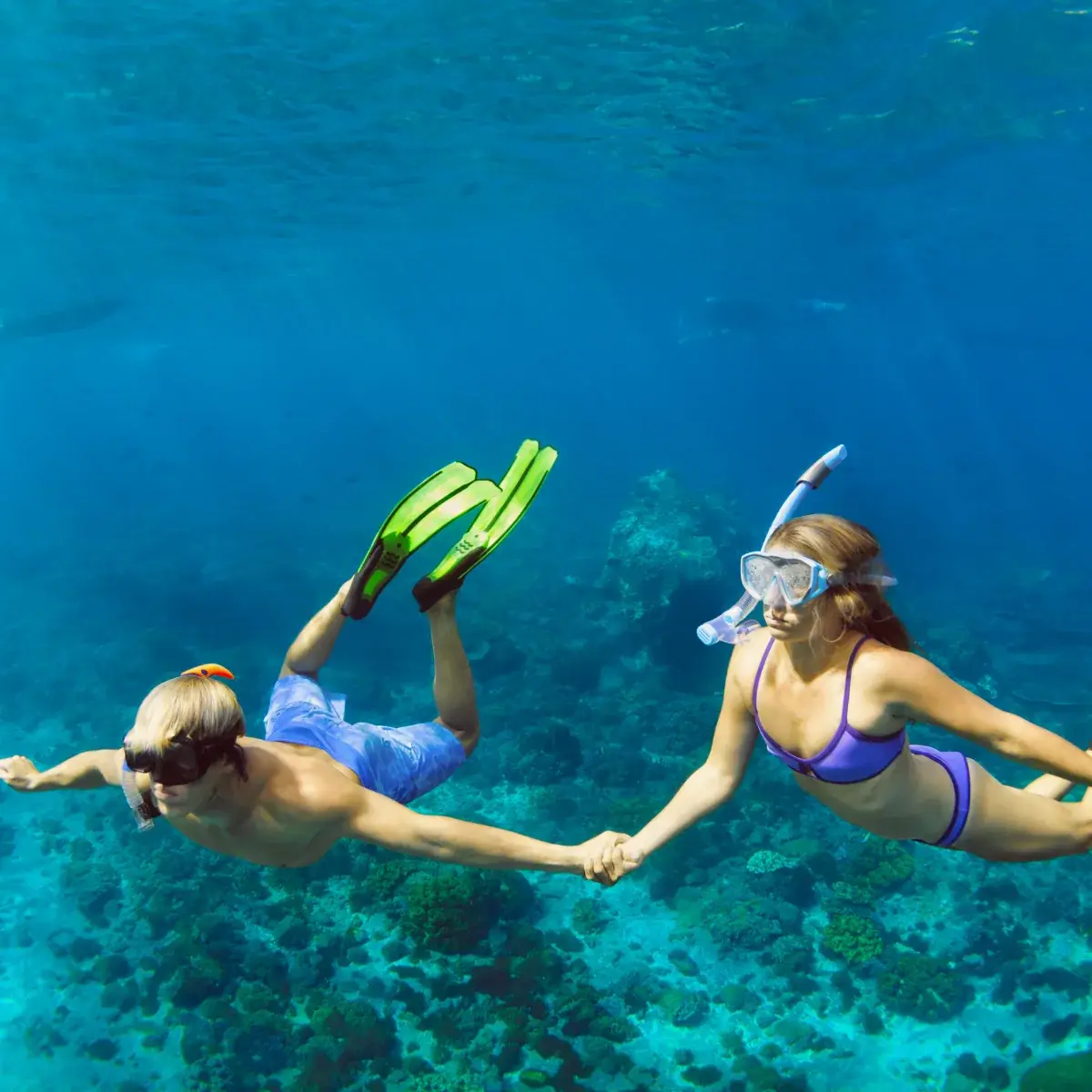
Snorkeling at Angol Point is one of the easiest ways to meet Boracay's reef without ever putting on a tank. Tucked at the southern tip of White Beach, Angol Point is a calm, shallow reef where the coral rises close to the surface — so from a mask and snorkel you can float over stony corals, watch clownfish dart into their anemones, and see the reef go about its day in warm, sheltered water. This guide covers where Angol Point is, what you'll see, whether it suits beginners, and the best way — and time — to snorkel it.
Where is Angol Point?
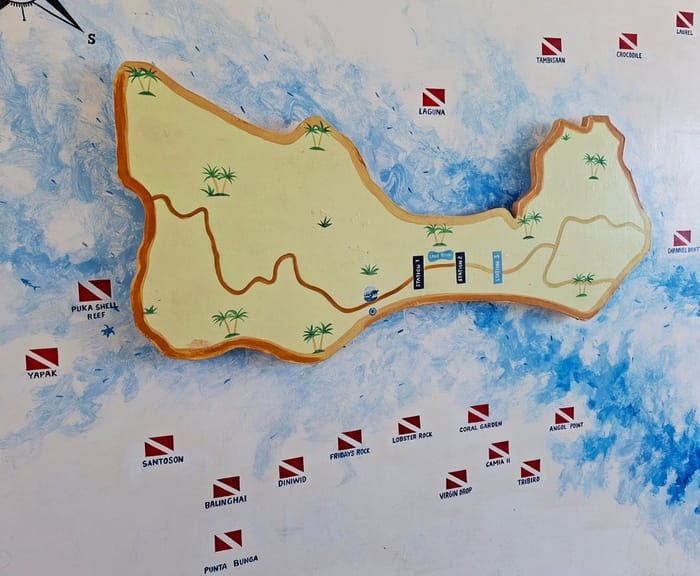
Angol Point sits at the far southern end of Boracay's famous White Beach, past Station 3 in the quiet Angol area. It's one of the southernmost reefs on the White Beach coast — the mirror image of Yapak at the northern tip. The reef begins in the shallows close to shore and slopes gently down to around 20 metres, which is why divers love it too. Snorkelers stay up top, over the brightest, shallowest few metres where the light is strong and the coral is densest.
Because it's sheltered by the curve of the island's southern point, Angol Point is usually calmer than the more exposed stretches of coast. That's one reason it's a favourite for first-timers and for our Discover Scuba and Open Water training — and the same calm makes it a relaxed, unintimidating place to snorkel.
What you'll see snorkeling at Angol Point
Angol Point punches above its weight for marine life. Drifting over the reef top you'll typically see:
- Hard and soft corals — healthy stony corals and leather corals form the backbone of the reef, with anemones swaying between them.
- Clownfish (anemonefish) — the reef's crowd-pleaser, tucked into their host anemones right below the surface.
- Reef fish — wrasse, damselfish, butterflyfish and small schools working the coral heads.
- Sea stars and sea cucumbers — easy to spot resting on the sand patches and reef flat.
- Macro surprises — Angol Point is quietly one of Boracay's best macro reefs, so sharp-eyed snorkelers sometimes catch nudibranchs and other small critters in the shallows, though these really reward the divers who get closer.
The water sits at a bath-like 29°C or so for most of the year, and visibility over the shallow reef is generally good, opening right up on calm, clear days.
Is Angol Point good for beginners?
Yes — Angol Point is one of the more beginner-friendly places to snorkel in Boracay. The water is calm and sheltered, the reef is shallow, and you're never far from shore. If you can float comfortably with a mask, snorkel and fins, you'll be able to enjoy it.
That said, snorkel it sensibly. Conditions change with the tide and wind, and there can be a gentle current along the point on some days. Never touch or stand on the coral — it's fragile and some of it stings — and keep track of where you are relative to the beach or the boat. If you're new to snorkeling or not a confident swimmer, go with a guide and wear a buoyancy vest; both make the whole experience more relaxed. Our team runs a guided snorkeling tour that takes care of the gear, the safety and the best spots for you.
How to snorkel Angol Point: from the beach or by boat
There are two ways to reach the reef.
From the beach. The southern end of White Beach around Angol is one of the few places on the island where the reef comes close enough to shore to snorkel out to — walk in from the sand and fin out over the shallows. It's free and flexible, but you're on your own for gear and safety, and the best coral is a short swim out, so it suits confident swimmers.
By boat with a guide. For most visitors the easier option is a guided trip. Angol Point is about 10–15 minutes by boat from the main beachfront, and going with a guide means fitted gear, someone who knows exactly where the healthy coral and the clownfish are, and a safe pair of eyes in the water. Guided snorkeling tours in Boracay also usually combine an Angol Point-style reef stop with other highlights like Crocodile Island for a fuller morning on the water.
Best time to snorkel Angol Point
Angol Point is snorkelable year-round thanks to its sheltered position. For the calmest, clearest water, the Amihan season (roughly November to May) is the sweet spot — flat mornings, bright light and easy visibility. The Habagat months (June to October) can bring more wind and the odd murky day, but the south point is often still workable when other spots aren't.
Whatever the season, morning is best: the wind is usually lightest early, the light is at its clearest through the shallows, and the reef is most active. Aim to be in the water not long after breakfast. Water temperature holds around 27–29°C all year, so a rash guard is plenty — you won't need a thick wetsuit.
What a guided snorkeling trip includes
If you'd rather leave the logistics to us, our guided snorkeling tours include mask, snorkel and fins (and a vest if you want one), a certified guide who knows Boracay's reefs, and photos so you actually go home with the memories. Prices depend on the tour and group size, so we keep the current rate on the snorkeling tour page rather than quote a figure that might change — options run from a single reef stop to a half-day island-and-reef combo. It's the most relaxed way to snorkel Angol Point and the reefs around it, especially if you're travelling with kids or nervous swimmers.
Snorkeling or diving Angol Point?
Snorkeling shows you the bright, busy top of the reef — and at Angol Point that's genuinely worth the trip. But the reef keeps going down to 20 metres, and the deeper slope is where the macro life and the bigger coral formations really open up. If floating over the shallows leaves you wanting more, Angol Point is also a superb Discover Scuba and training dive site, precisely because it's so calm and shallow. Trying scuba for the first time here means an instructor guides you the whole way — no experience or certification needed, a natural next step from the surface.
Planning a full water day? Read our beginner's guide to snorkeling in Boracay, compare it with snorkeling at Crocodile Island, or browse all our Boracay snorkeling tours. Divers can read the full Angol Point dive site guide too.
Frequently asked questions
Can you snorkel at Angol Point from the beach?
Yes. The southern end of White Beach around Angol is one of the spots where the reef reaches close enough to shore to swim out to. Confident swimmers can fin out from the sand, though the best coral is a short swim out and you'll need your own gear. For an easier, safer visit, most people join a guided boat tour.
Is Angol Point good for beginner snorkelers?
It's one of the better beginner spots in Boracay — calm, sheltered and shallow. If you can float comfortably with a mask and snorkel you'll enjoy it. Nervous swimmers should wear a buoyancy vest and go with a guide.
What will I see snorkeling at Angol Point?
Healthy hard and soft corals, anemones with resident clownfish, sea stars, sea cucumbers and plenty of small reef fish over the shallow reef top. It's also one of Boracay's quietly excellent macro reefs, so patient snorkelers sometimes spot smaller critters too.
When is the best time to snorkel Angol Point?
Year-round, but the Amihan season (about November to May) gives the calmest, clearest water. Mornings are best in any season — lightest wind, brightest light and the most active reef.
Do I need to know how to swim?
You should be comfortable in the water. You don't need to be a strong swimmer to snorkel Angol Point, but you should be able to float and move with fins. A buoyancy vest and a guide make it easy and relaxed for beginners and children.
How much does a snorkeling tour to Angol Point cost?
It depends on the tour type and group size, so we keep the current rate on the snorkeling tour page rather than quote a figure that might drift. Tours typically include gear, a guide and photos — check the snorkeling tour page for today's price and options.