




Is Boracay good for scuba diving? The honest answer, from a team that has dived these reefs since 2003, is yes — with the right expectations. Boracay is not a remote big-fish frontier like Tubbataha or Malapascua, and it isn't a dedicated muck-diving hub like Anilao. What it is is one of the easiest, warmest and most convenient places in the Philippines to learn to dive or to fit a few dives around a beach holiday — with healthy coral reefs, reliable turtle sightings and enough variety across its dive sites to keep certified divers coming back. This guide gives you the straight version: what you'll see, the conditions, the sites, and exactly who Boracay diving suits best.
The short, honest answer
Boracay earns its place as a genuinely good scuba destination — just for different reasons than the Philippines' famous bucket-list spots. Its strengths are accessibility and ease: the dive sites are only a short boat ride from White Beach, the water is warm year-round, conditions are forgiving, and there are enough reefs, walls and wrecks around the island to fill several days of diving. Its honest limits are that you won't find guaranteed schooling hammerheads or a wall of pelagics on every dive, and it isn't a liveaboard-only wilderness. For beginners, casual holiday divers, macro lovers and anyone pairing diving with a classic island break, that trade is an easy win.
What diving in Boracay is really like
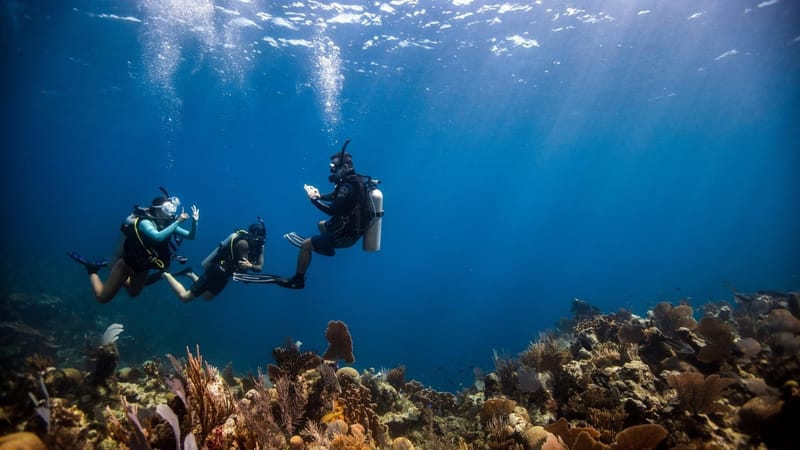
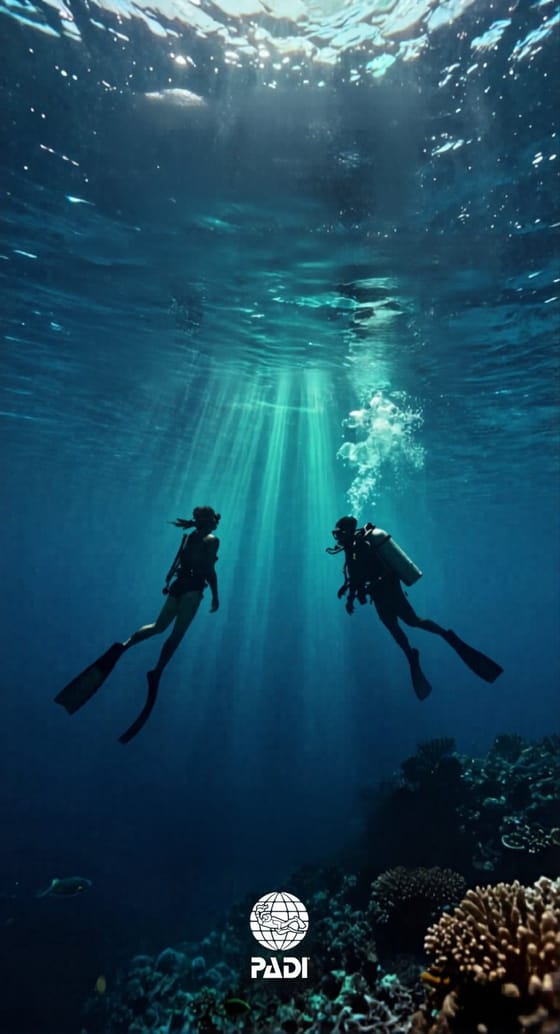
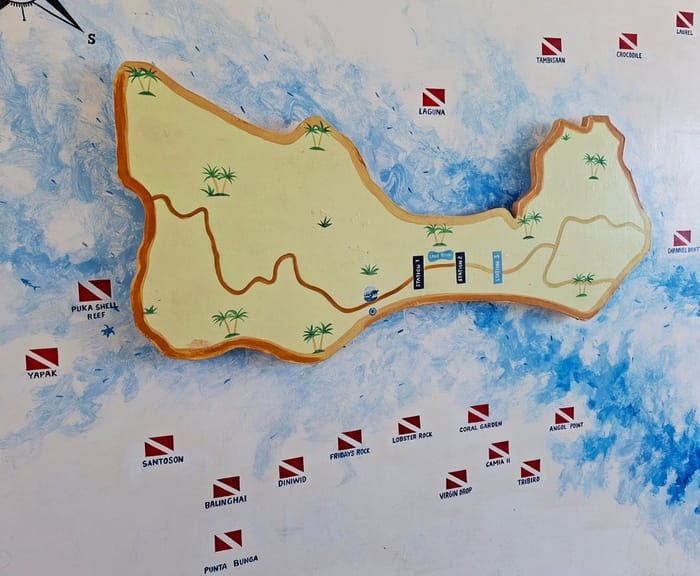
Boracay is fringed by coral reef, and we dive around twenty sites spread around the island — several of them big enough to dive more than once as completely different areas. Most are a five-to-fifteen-minute boat ride away, so a dive day is relaxed rather than a dawn expedition. The terrain ranges from gentle, colourful reef slopes to dramatic walls and drop-offs draped in soft coral and sea fans, a couple of approachable shipwrecks, and a handful of deeper, current-swept sites reserved for experienced divers. It's this variety in a small, easy-to-reach area — not one single headline attraction — that makes Boracay work as a dive destination.
The marine life you'll actually see
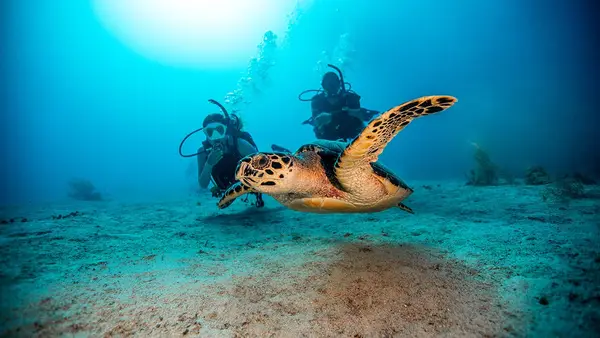
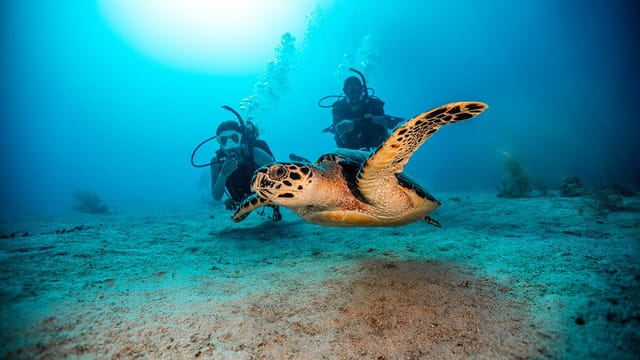
The reef here is busy all year. On the shallower sites you'll drift over hard and soft corals alive with reef fish, and sea turtles are a regular highlight. Macro fans do especially well: nudibranchs, ghost pipefish, frogfish and other tiny, well-camouflaged critters reward a slow, patient dive. Head out to the deeper sites and the cast changes — schools of snappers and batfish, pelagics such as dogtooth tuna and trevally, and, with a little luck at Yapak, whitetip reef sharks. As anywhere in the ocean, sightings are never guaranteed on a given dive, but the sheer range across Boracay's sites is a big part of the appeal.
The dive sites: reefs, walls, wrecks and deep drop-offs
There's real variety for certified divers:
- Easy reef sites — shallow, colourful and full of life; perfect for a first dive of the trip or newly certified divers.
- Walls and drop-offs — dramatic underwater terrain covered in soft coral and sea fans.
- Wrecks — approachable dives on the Camia and Tribird wrecks that add a sense of exploration without technical training.
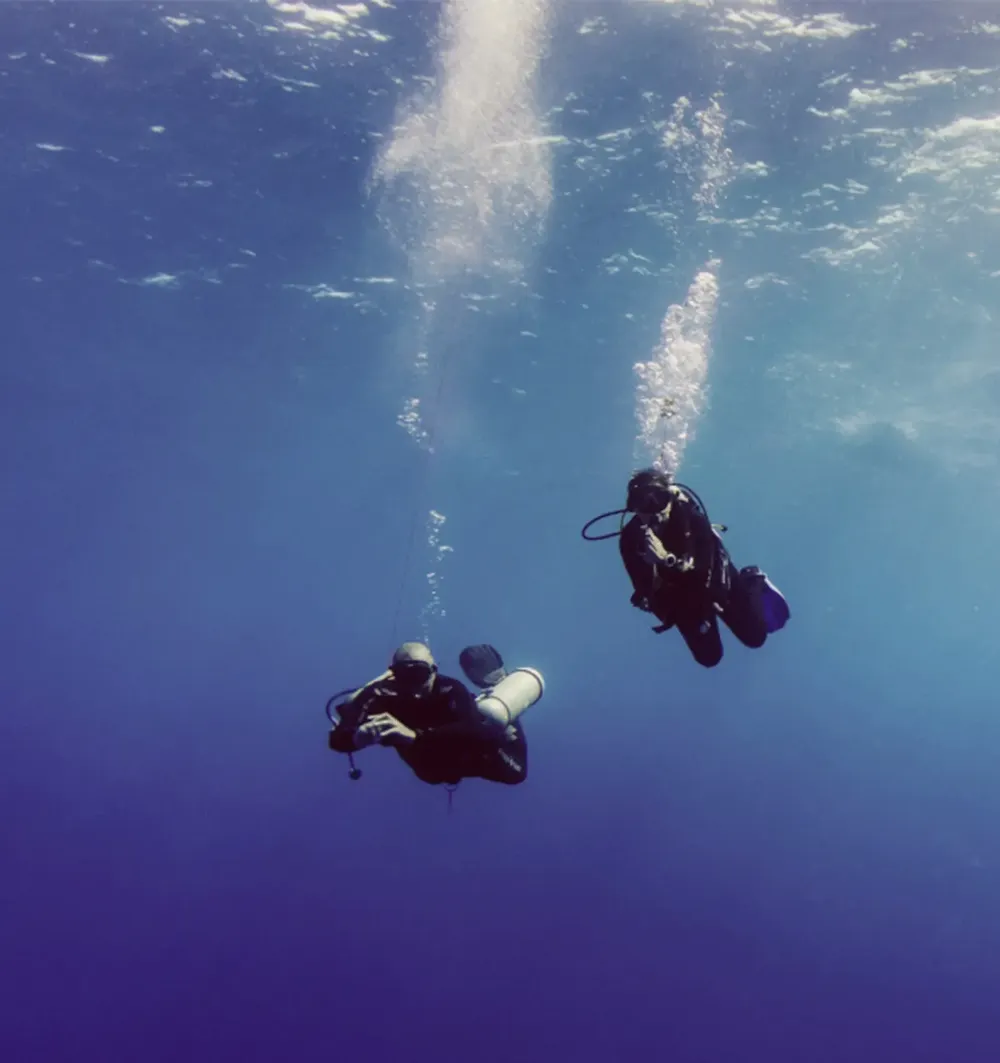
- Advanced sites like Yapak and Punta Bunga — deeper, current-swept walls where the pelagic action is most likely, reserved for experienced divers.
You can browse them all on our Boracay dive sites pages, or start with our pick of the top dive sites in Boracay.
Water, visibility and conditions
This is where Boracay quietly shines. The water is warm all year — usually in the high 20s Celsius — so a thin wetsuit or even a rash guard is plenty. Visibility is often 20–30 metres at the best times of year and eases to around 10–20 metres in the wetter months, but the reef stays active regardless. The calmest, clearest diving generally falls in the Amihan season (roughly November to May); the Habagat months (around July to October) bring occasional rain and a little more surge, yet plenty of diveable days and lively reefs. Because the sites sit close to shore, your guide can usually pick a sheltered spot whatever the wind is doing — read our full guide to the best time to dive in Boracay before you plan.
Who Boracay diving suits best
Boracay is an outstanding choice if you're learning to dive, want warm easy water and short boat rides, love macro and reef life, or are combining diving with a beach-and-nightlife holiday and don't want to sacrifice one for the other. It's ideal for families, mixed-ability groups and anyone who wants their non-divers entertained on the beach while they dive. If your single goal is guaranteed big-animal encounters — thresher sharks, hammerhead schools or a remote reef wilderness — then a dedicated trip to somewhere like Malapascua or a Tubbataha liveaboard will scratch that itch better. For the vast majority of travellers, though, Boracay's blend of easy conditions, healthy reefs and convenience is exactly what makes a dive holiday enjoyable.
How to start diving in Boracay
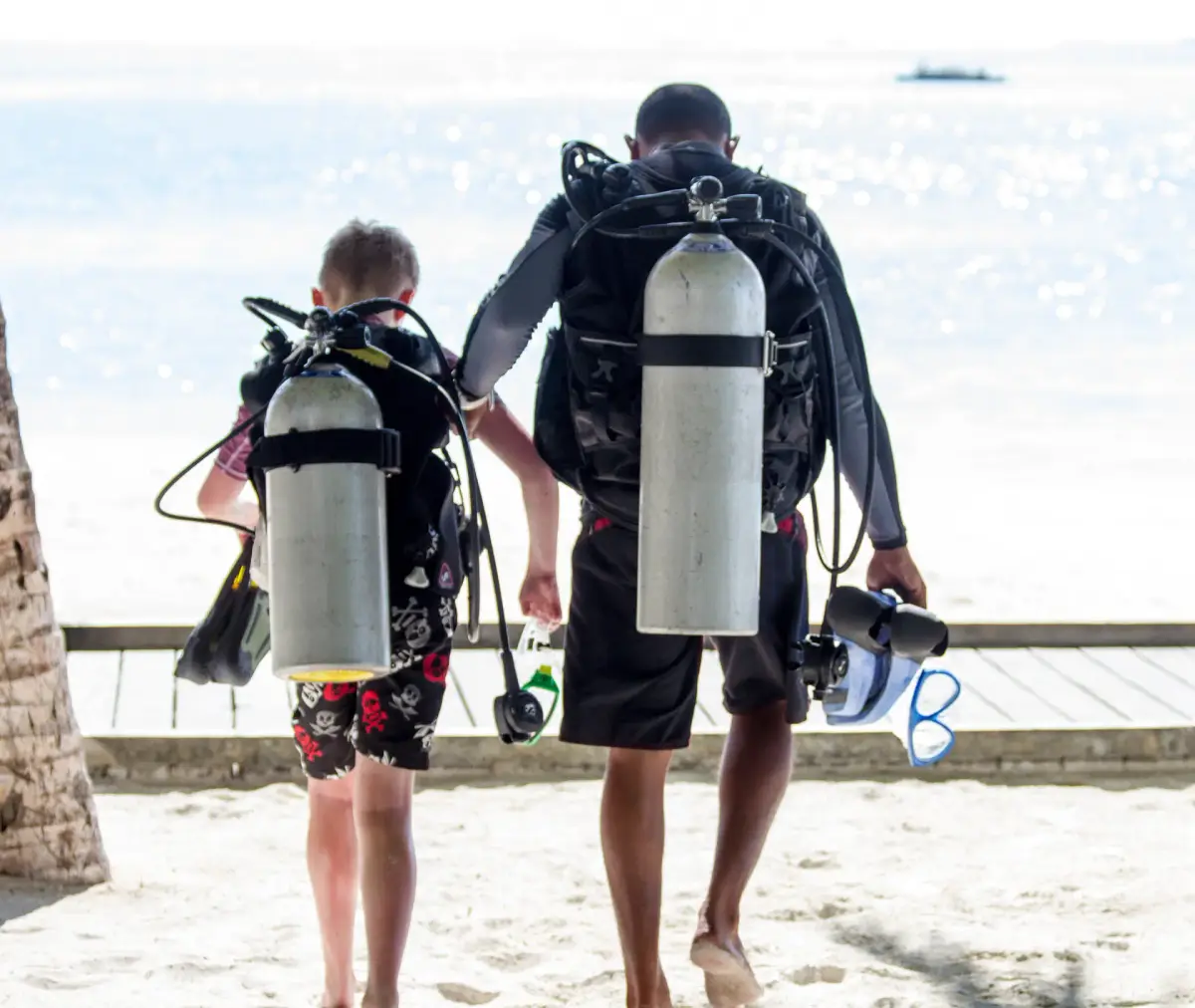
Never dived before? The easiest way to answer "is this for me?" is to try it: a Discover Scuba Diving experience takes complete beginners to a maximum of 12 metres with a PADI instructor at your side the whole time — no certification, no experience and no strong swimming required. Ready to go further? The PADI Open Water course certifies you to dive to 18 metres anywhere in the world. Already certified? Just bring your card and logbook and join a guided fun dive — any agency is welcome. Whichever way you start, our scuba diving team matches the sites and depth to your experience and the day's conditions.
Frequently asked questions
Is Boracay good for scuba diving?
Yes — especially for beginners, holiday divers and macro lovers. Boracay offers warm year-round water, short boat rides, healthy coral reefs, regular turtle sightings and a good mix of reef, wall and wreck sites. It isn't a guaranteed big-fish or liveaboard destination, but for easy, enjoyable and convenient diving it's an excellent choice.
Is Boracay good for beginner divers?
Very. The calm, warm, shallow reefs and short boat rides make it one of the easiest places in the Philippines to try scuba or take your first course. Start with a Discover Scuba dive or a PADI Open Water course with an instructor beside you.
What will I see diving in Boracay?
Hard and soft corals, plenty of reef fish, and sea turtles as a regular highlight. Macro divers find nudibranchs, ghost pipefish and frogfish, while deeper sites like Yapak can offer schooling fish, pelagics and the occasional whitetip reef shark. Sightings are never guaranteed on any single dive.
When is the best time to dive in Boracay?
The Amihan season (roughly November to May) usually brings the calmest seas and best visibility, often 20–30 metres. The Habagat months (around July to October) still offer plenty of diveable days with active reefs; because sites are close to shore, a guide can usually find a sheltered spot year-round.
Do I need to be certified to dive in Boracay?
No. Complete beginners can join a Discover Scuba Diving experience (to 12 metres, no certification needed), or take the PADI Open Water course to get certified. If you already hold a certification from any agency, just bring your card and logbook for guided fun dives.
How does Boracay compare to other Philippine dive spots?
Boracay is more accessible and beginner-friendly than remote destinations like Tubbataha or Malapascua, and it's a reef-and-macro destination rather than a big-pelagic one. Its edge is convenience: world-class beaches, easy conditions and good diving all in one place — ideal if you want a dive holiday without a dedicated expedition.